Tutorial: Firebox Migration Using Web UI
In this WatchGuard Support video, you'll learn how to migrate a configuration file from one firebox to another using the Fireware web UI.


Network complexity is at an all-time high. Between legacy technology, hybrid-multi-cloud environments, and networks cobbled together by mergers and acquisitions, it’s impossible for people to keep track of the network, its topology, and behavior. The idea of trying to trace a path through a multi-cloud network seems akin to being asked to pull a rabbit out of your hat.
Secure network transformation specialist, Xalient proudly announced today that it is part of the FEBE Growth 100 list for the second consecutive year. FEBE champion’s the fastest-growing, founder-led private companies headquartered in the UK. The Growth 100 highlights founders that are driving their companies to deliver significant sales, revenue and profit, against a backdrop of unprecedented economic challenges.
It was great to be both a sponsor and a participant at Zenith Live in Las Vegas last week. Attended by security architects, CIOs and CTOs, the caliber of presentations was exceptionally high. We heard from Zscaler CEO, Jay Chaudhry, about many industry-redefining innovations around AI-enabled security, data-driven business intelligence insights, and product enhancements which promise to further strengthen the Zscaler platform.
In a constantly connected world, protecting sensitive data in what are often complex database structures requires staying up to date with cyber criminals’ malicious attack techniques, and infection methods. This research is an extension of another project which involves monitoring attacks carried out on database servers worldwide. Understanding how these bots work can keep your digital world safe and secure.
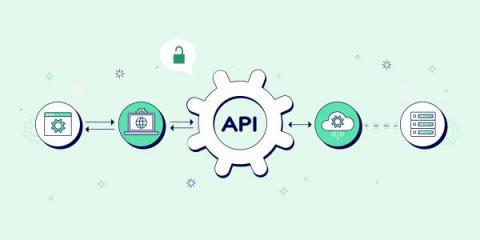
Over the last couple of decades in the cybersecurity industry, I have observed how APIs have gained significant importance in modern cloud-based architectures over the past few decades. In fact, they account for over 80% of all web traffic. However, this increased usage has also made APIs vulnerable to cyber threats. A closer look reveals that APIs are now one of the most prominent threat vectors in the cybersecurity landscape.
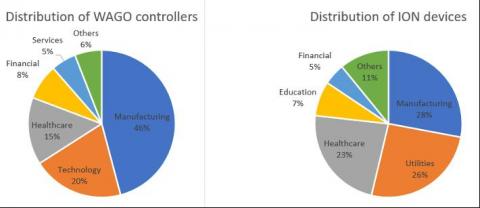
In our final OT:ICEFALL report, Forescout Vedere Labs presents three new vulnerabilities and concludes the project after one year of research following the original disclosure. The OT:ICEFALL research, including 61 vulnerabilities affecting 13 vendors, has yielded three key insights into the current state of OT product security.
Architects and engineers know that success depends on getting the right information to the right people at the right time. And when it comes to projects, having access to essential digital content from Newforma makes all the difference; but getting that content into a unified platform is critical.