Event-Driven Automation using New Custom Webhooks
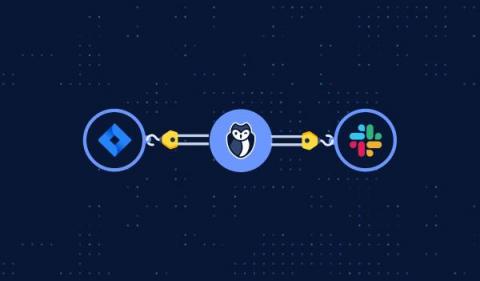
New custom webhooks are now available to help you orchestrate your incident remediation workflows and processes outside of your GitGuardian Internal Monitoring workspace!


New custom webhooks are now available to help you orchestrate your incident remediation workflows and processes outside of your GitGuardian Internal Monitoring workspace!
As Christmas approaches, many of you will be winding down and preparing for the festivities – unfortunately, cyber criminals notoriously take advantage of the holiday season, coercing their way into our digital spaces and cashing in on the season of giving. With this in mind, here are our cloud and security experts 12 top-tips, to ensure that your business and workforce, stay one step ahead of the hackers.
Read also: Okta’s source code stolen after GitHub hack, Android apps are leaking API keys, and more.
Millions of people use Microsoft Excel to record, organize, and analyze important information. If you fall into this group, you may want to password-protect some of your most important spreadsheets and Workbooks.
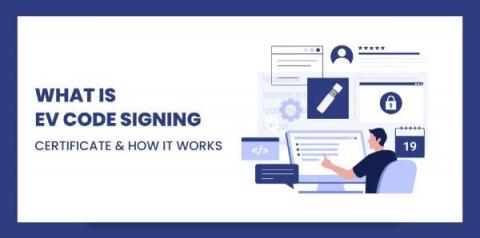
EV Code Signing is an A-grade software security solution that every organization needs. It’s one of the most advanced and integrity-assuring mechanisms. With its usage, publishers can digitally sign their software and release them in compliance with digital platforms. With the increasing reverse engineering and data breaches, it’s essential to use an EV Code Signing Certificate. However, the first step is to understand the EV Code Signing Certificate. So, let’s get started.
During the holiday season, it is essential to take extra precautions when it comes to cybersecurity. Cybercriminals may be more active than usual, looking for ways to exploit unsuspecting users. Protect yourself and your loved ones, ensure that you and they are up to date with the latest security software, and be mindful of potential scams.
Cyber incidents are becoming increasingly common and disruptive–whether it’s ransomware, data breaches, or leaks. The number of compelling events in the last few months in Australia have shown us the implications for businesses, and their customers, when a breach occurs.
As the basis of pretty much every consumer system available today, Discretionary Access Control (DAC) is everywhere and used by everyone. The files on your computer, the media and applications on your smartphone, and even your social media content. They all use DAC to manage permissions. That’s in part because DAC is easy to manage and understand. But DAC also has a few glaring issues when it comes to cybersecurity.
Many organizations, especially ones working in the tech and digital field, require constant back-and-forth communication, online file sharing and access to various accounts. Working in a collaborative environment often requires shared accounts, which means employees must find an easy way to share passwords without putting the company at risk of a cyberattack.