Security | Threat Detection | Cyberattacks | DevSecOps | Compliance

Featured Post

The new-age SOC analyst in 2026: tier 1.5

The role of the tier 1 SOC analyst has always been critical. It's the function responsible for holding the line day-to-day and responding when incidents happen. It's also the training ground for analysts, training them in a wide range of basics to prepare them to advance to tier 2. It's a role that has never been static but with the pace of change noticeably faster than ever before, the role of the tier 1 SOC analyst is evolving once again.

Agentic SecOps Workspace demo: AI agents operating inside LimaCharlie

LimaCharlie CEO/Founder, Maxime Lamothe-Brassard, walks through LimaCharlie's Agentic SecOps Workspace in this demo, showing how AI agents can directly operate security infrastructure using the platform's complete API coverage. What you'll see.

Context, Memory, and Learning in the AI SOC

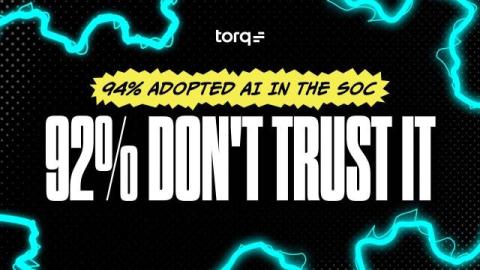
Everyone’s chasing a smarter agent. But the model was never what held the SOC back. The sharpest LLM still won’t know your environment, your team’s past calls, or where they draw the line on risk. That lives in the layer beneath the agents: context, memory, and learning. Torq’s AI research team breaks down how we build it.

LimaCharlie Announces Agentic SecOps Workspace, Redefining AI in Security Operations

Sr. Technical Content Strategist LimaCharlie is announcing their Agentic SecOps Workspace, a security platform that elevates AI from an advisory role to an operational one. This is a key development for security teams who recognize that AI must offer more than chat interfaces, simple alert triage or next-step recommendations. To keep pace with modern threats and business needs, AI must be allowed to operate and scale.

10 AI SOC Benefits That Actually Transform Security Operations

See how Torq harnesses AI in your SOC to detect, prioritize, and respond to threats faster. Request a Demo Your SOC is drowning. Industry estimates suggest that up to 60% of SOC analyst time is spent on Tier 1 triage, leaving less time for addressing real threats. According to Splunk’s State of Security 2025 report, 59% of security teams report being overwhelmed by too many alerts, and 55% waste precious hours chasing false positives.