Security | Threat Detection | Cyberattacks | DevSecOps | Compliance

How to Build an Effective Insider Risk Management Program

Insider threats have become one of the most difficult and damaging challenges in cybersecurity. Unlike external attackers, insiders already have access to sensitive data and systems. Their actions often appear legitimate until it’s too late. Whether it’s a malicious employee stealing intellectual property or a well-meaning one accidentally leaking customer information, insider incidents are complex, nuanced, and often invisible to traditional security tools.

Featured Post

Security Shifts in 2026: Risk Moves Beyond the CISO

In 2026, cybersecurity will shift from being seen as the security team's responsibility to being part of how the entire company operates. Every business function will share ownership of risk. Finance, engineering, product, and marketing will all have clear roles in protecting customer trust.

Continuous Vendor Risk Monitoring: Real-Time Cyber Risk Visibility with Bitsight

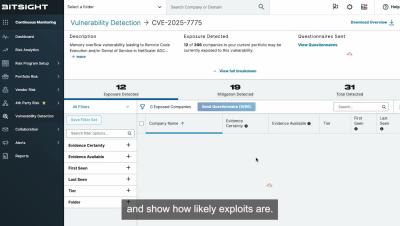
Gain real-time visibility into cyber risks across your entire vendor ecosystem with Bitsight Continuous Monitoring. Continuously track third- and fourth-party security performance, uncover hidden vulnerabilities, and identify high-risk changes before they impact your business. Powered by the industry’s most comprehensive cyber risk data, Bitsight helps security and GRC teams respond faster to critical threats—including zero-day vulnerabilities—while improving vendor collaboration and strengthening overall supply chain resilience.

This or That. CEO Shares Favorite Cybersecurity Books in SecurityScorecard Bracket #cybersecurity

This or That. Favorite Books of SecurityScorecard Bracket, Cyber Edition is BACK – but this time it's Security Books! �� CEO and Co-Founder of SecurityScorecard Aleksandr Yampolskiy has another list of books you'll want to grab for some winter break reading and relaxation. Which ones are you hoping end up in your stocking this year? Drop a comment with your favorites and recommendations below.

Why MDR Matters for Building Cyber Resilience in Telecoms

Telecom networks are the backbone of the digital economy. They must deliver secure, always-on connectivity at scale, supporting everything from critical national infrastructure to everyday consumer services. But cyber resilience today is no longer defined by uptime alone. It is about the ability to withstand, detect, and respond to highly targeted cyber threats that are designed to exploit the very fabric of telecom environments.

Looking Ahead to 2026: Why Cyber Economics Will Redefine the CISO's Mandate

Cybersecurity in 2026 will be driven by economics. Not hype. Not novelty. Economics. Attackers follow financial incentives and scale their operations faster than most enterprises can defend. CISOs must shift from reporting technical metrics to explaining business impact, guide safe AI adoption as Shadow AI grows, and design programs that emphasize resilience over perfection.

Why AppSec and Network Risk Management Must Be Unified in the Modern Enterprise

How Mend.io’s ServiceNow integration helps organizations manage application, network, and operational risks together—at scale. Managing AppSec and network risk as separate programs is no longer realistic for enterprise security teams. Today’s digital environments are interconnected, distributed, and constantly changing. A single misconfiguration, unpatched server, or vulnerable open-source component can become a point of exploitation when combined with weaknesses elsewhere in the stack.

CVE-2025-55182: First Days of React2Shell Exploitations

On December 3rd Lachlan Davidson disclosed an unauthenticated remote code execution vulnerability in React Server Components (RSC) that exploits how React.js (and Next.js) decodes payloads sent to React Server Function endpoints. On December 4th we started observing fingerprinting attempts for these vulnerabilities and on December 5th we started observing exploitation attempts. React.js is used by 66% of the global digital supply, in the top 0.06% of all technologies.