Security | Threat Detection | Cyberattacks | DevSecOps | Compliance

How to Prepare for Cyber Essentials Assessment

In today's world, where cyber threats are increasingly sophisticated, organizations must take strong security measures to protect sensitive data and maintain operational integrity. One effective way to show your dedication to cybersecurity is by obtaining Cyber Essentials certification. This government-backed scheme in the UK helps organizations implement essential security controls to defend against common online threats.

Managing Third-Party Cyber Risk in Financial Services

In today's interconnected financial landscape, businesses face increasing risks from third-party vendors, making effective cyber risk management essential. Significant data breach costs and stringent regulatory requirements place further burden on this sector. In response, UpGuard offers a Vendor Risk Management solution to help institutions manage these risks and maintain compliance. Learn more at upguard.com/fsi.

NIS2 Compliance: How to Identify and Evaluate Critical Suppliers

As the NIS2 Directive reshapes the cybersecurity landscape across Europe, a key focus for organisations is understanding and managing their critical suppliers. The directive mandates heightened scrutiny and tighter controls around these essential entities, underscoring their importance in your overall cybersecurity strategy. But the pivotal question remains: How do you determine who qualifies as a 'critical supplier'?

Your Cybersecurity Risk Is Higher on July 4

While the Fourth of July is typically considered a day of celebration for those in the U.S., many don’t realize it’s also a period of heightened risk. In fact, this isn’t unique to the Fourth of July: holidays often see an uptick in cybersecurity threats. With the Fourth of July nearly upon us, let’s examine why this happens and how you can protect yourself and your business.

Want Your Third Parties To Take Security Seriously?

In the last decade, outsourcing to third parties–especially in the gig economy–has taken over key functions that enterprises used to handle internally. Today’s companies are frequently virtual–using third-party services that span the likes of application development, back-office corporate functions, contract manufacturing and research, marketing, and core IT services.

Likely Disclosure Inconsistencies With Massive Snowflake Data Breach

‍After unearthing evidence as early as May 2024, cloud computing–company Snowflake released an official statement on June 2, reporting that they were investigating a series of targeted cyber events. A week later, Google's Mandiant, who, alongside Crowdstrike, is aiding Snowflake in this investigation, concluded that clients had been attacked after malicious actors had gotten access to compromised credentials.

Third-Party Risk Management Dashboard: How to Design One

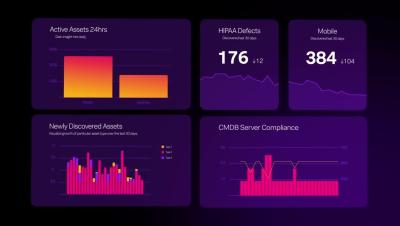
In today's interconnected business landscape, Third-Party Risk Management (TPRM), sometimes called vendor risk management (VRM), is a critical cybersecurity strategy for organizations aiming to safeguard their operations and reputation. With most companies increasing their reliance on external vendors and service providers, managing and mitigating risks associated with these third-party relationships is paramount.

How CPG 235 is Shaping Data Security Standards in Finance

In 2013, the Australian Prudential Regulation Authority (APRA) introduced Prudential Practice Guide CPG 235, a comprehensive framework designed to enhance data risk management across the finance sector. This guide provides financial institutions with principles and best practices to safeguard data integrity, confidentiality, and availability. This blog explores CPG 235, its key components, compliance requirements, and how implementing the framework can enhance data security standards at your organization.

Boost Your Cybersecurity with DevSecOps

As cyber threats increase in complexity and frequency, traditional security methods often fall short of safeguarding sensitive data and vital systems. DevSecOps offers a groundbreaking approach by incorporating security practices into all stages of the software development lifecycle (SDLC). By uniting development, security, and operations, DevSecOps ensures that security is a collective responsibility, promoting a culture of collaboration and ongoing enhancement.