Security | Threat Detection | Cyberattacks | DevSecOps | Compliance

Remote Users - Protect Confidential Information

Greater care should be taken when transferring corporate data onto a remote user's managed endpoint. Certain types of data often require greater levels of authorization to leave the confines of the organization and managed app. When trying to download confidential information, we want to reverify the user's identity with step-up authentication. When the file is downloaded, in addition to file encryption, we also want to add a watermark and redact the confidential information.

How to Protect Your Remote Workforce from a Cyberattack

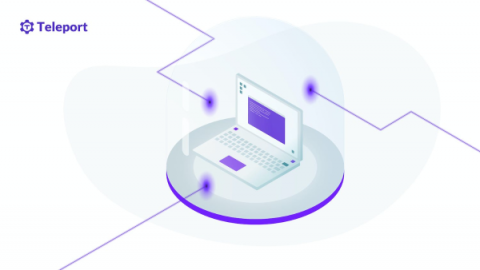
Earlier this year, an industry report stated that 79% of businesses remain concerned about the security risks of an increasingly remote workforce. Cyberattacks are on the rise since the COVID-19 pandemic, in part because many organizations fail to put in place adequate cybersecurity measures and procedures. In addition, there is a worldwide shortage of cybersecurity professionals in every industry.

Is VPN or Zero Trust Access Best for Remote Working Security?

The pandemic changed the way people work, and many companies have been fast to adapt to this shift in work culture by encouraging and promoting remote and hybrid work. Zero Trust Network Access or ZTNA is gaining popularity as a secure alternative to corporate VPN-based access to the internal application and network services.

Endpoint security and remote work

Remote work is the new reality for companies of all sizes and across every industry. As the majority of employees now perform their job functions outside the technology ecosystem of their local office, the cybersecurity landscape has evolved with the adoption of terms such as Zero Trust and Secure Services Edge (SSE).

Challenges and solutions for securing distributed, remote and hybrid workforces

The world has changed. The COVID-19 pandemic has dramatically increased the number of teams that are working with a remote and distributed model. This change is a welcome acceleration of what many feel would have been the eventual outcome of our digital future. With this new model comes a new and changing set of security challenges.

Ransomware Attacks: How to Mitigate Risk and Protect Your Data

Ransomware is not a new threat, but the tactics that attackers are using to access corporate infrastructures and steal resources has evolved. With the continuation of remote work and data being stored on the cloud, attackers only need to compromise one user, app or device to gain access.

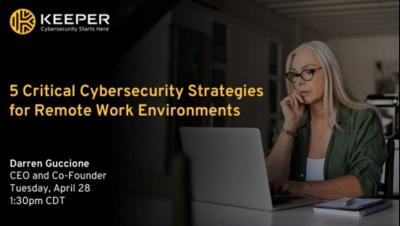
5 Critical Cybersecurity Strategies for Remote Work Environments

Accommodating the sudden and massive increase in remote work environments raises major cybersecurity and logistics challenges, for every sized business in every industry. Even organizations that have an existing remote work infrastructure will need to scale it and protect it more than ever - and quickly. In this webinar, Keeper CEO and Co-founder, Darren Guccione, will explain how organizations can maintain robust cybersecurity while the majority of the global workforce works from home or other remote locations.

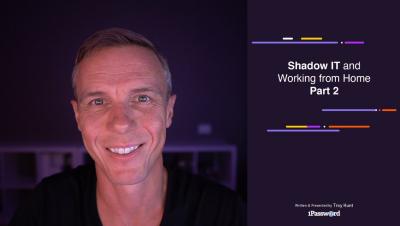
Hello CISO - Episode 3 (Part 2): Shadow IT and Working from Home

In part one of this episode of Hello CISO, Troy explored why regaining some of the control and visibility lost to shadow IT requires a mindset shift. In part two, he delves into where that mindset shift might lead us. Hello CISO is a new series aimed at Chief Information Security Officers, IT security teams, and all other members of an organization responsible for maintaining the safety and integrity of the business and its operations.

How to Manage Your Security in A Hybrid World: 15 Cybersecurity Tips & Best Practices

The hybrid workplace is here to stay. If the past couple of years have proved anything, it’s that many workers enjoy working remotely, or like the flexibility of working from home part-time. Organizations also appreciate the benefits of a hybrid workplace; according to Gartner, 48% of employees will likely work remotely at least part of the time after COVID-19, as opposed to the 30% of employees who did so before the pandemic.

Don't Leave Dollars on the Table: How to Find and Leverage Federal Funding

By now it’s become clear—hybrid and remote work are here to stay. This goes for employees in the government sector as much as it does for those in other industries. Along with increased flexibility, however, comes increased attack surfaces for security professionals to defend.