Security | Threat Detection | Cyberattacks | DevSecOps | Compliance

Why Identity Verification Is Important for Onboarding in a Remote Working Environment

Working and collaborating remotely is easier than ever in today’s digital age. As a result, the number of vendors engaging with businesses to execute job assignments has increased dramatically. People working remotely as independent contractors range from software engineers to copywriters. Because these folks will not be going into the office, Identity Verification is now an essential element of the Vendor Onboarding process. Why?

Top Password Hygiene Best Practices for Remote Workers

With a growing number of organizations offering a remote or hybrid working option, many people are taking their workspaces home. Your team needs to know password hygiene best practices to ensure their home work environment is secure and protected. Sloppy employees who are not knowledgeable about password hygiene can pose a risk to themselves and their company. In fact, 82% of breaches involved a human element, according to Verizon’s 2022 DBIR.

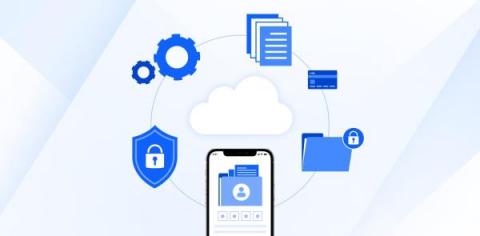
What Is Cloud DLP And Why Do You Need It For Remote Work?

Remote work is not going away. Depending on who you ask, experts believe 35% – 65% of the US workforce will continue to work remotely, permanently. Remote work was a trend that began well before the pandemic and will continue to be the preferred way to work for companies and employees alike. However, many companies were unprepared for the speed at which remote work became the preferred office structure. The pandemic forced businesses to adopt new tools and processes virtually overnight.

Work and Life Have Intertwined: Why You Need to Protect Against Phishing on Both Fronts

Don't bring your personal life into the office; don't bring your work stuff home — these were already difficult tasks prior to the 2020 pandemic. Now, with hybrid work settling in, they have become nearly impossible to achieve. Where we work is no longer tethered to a static location. From the Wi-Fi we connect to, to the devices we use for work, our personal and professional lives are now closely intertwined.

How to protect your business from remote work security risks

The Covid-19 pandemic caused a seismic shift in remote working practices. Before the pandemic, 34% of US employees worked remotely at least one day a week. Now, as we emerge from the pandemic, 35% of Americans work from home full-time — with a further 23% able to work remotely part-time. This equates to approximately 92 million remote workers in the US alone. But this rise in remote working is causing significant corporate cybersecurity issues.

When To be Suspicious About Work-From-Home Employees (or Not)

Perhaps someone doesn’t answer a Slack message as quickly as they should, or they have long hours blocked on their calendar. Maybe someone doesn’t seem motivated during team meetings or they are slow to complete work. While research has shown that overall, productivity has actually increased as a result of the work-from-home movement, managers know all too well what it’s like to be suspicious that someone is taking advantage of their new work arrangement.

Improving Information Security in the Age of Remote Work

Remote work has become popular among employees. 74% of workers say they would be less inclined to leave a company if they could work from home. No commuting, better work-life balance, greater flexibility, and increased motivation attract employees to telecommuting. Although companies offer remote work, data security concerns them. Employees might use unsecured wifi networks, leave their computers and laptops unattended, or carry confidential documents to public locations.

Current Cyber Security Trends Pt1

As we pass the halfway point of 2022, it’s worth taking a look at the current trends which have been present within the cyber security world and what to look out for in the future. Being aware of trends allows organisations to plan for the future and put processes or defences in place before they’re required.

The Future of Work Requires More Transparent Management

Most knowledge-economy workplaces are embracing the remote future of work. The question for these leaders is how to manage a workforce that may physically congregate in the office only once or twice a week, if ever. According to Gallup, as many as two-thirds of white-collar U.S. employees worked exclusively from home during the pandemic, a massive shift that will shape workplace culture for years to come.