Thousands of Android Apps Found Leaking Hard-Coded Secrets
Read also: Nitrokod cryptomining campaign infected thousands of PCs in 11 countries, Italian oil giant hit with a cyberattack, and more.


Read also: Nitrokod cryptomining campaign infected thousands of PCs in 11 countries, Italian oil giant hit with a cyberattack, and more.
“If a tree falls in a forest and no one is around to hear it, does it make a sound?” If an unmanaged device is infected with ransomware, will the security operations team receive an alert? Consider a contractor or employee who uses their personal laptop for work. If that device becomes infected with ransomware, not only does it pose a risk to the organization’s data and a risk to other devices within the organization, but the device is not centrally managed.
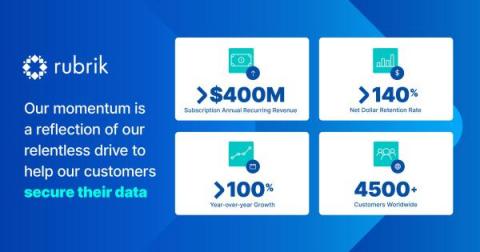
I’m thrilled to share that today marks a defining moment in Rubrik’s mission to secure the world’s data with several major milestones including: I’m proud of the Rubrik team and their relentless focus on product innovation, but we couldn’t have done this without amazing customers and partners who believe in our mission and continue to trust us with their businesses and their data.
AsyncRAT is an open-source remote administration tool released on GitHub in January 2019. It’s designed to remotely control computers via encrypted connection, providing complete control via functionalities such as: Although the official GitHub repository contains a legal disclaimer, AsyncRAT is popularly used by attackers and even some APT groups. Netskope Threat Labs recently came across a FUD (Fully Undetected) Batch script which is downloading AsyncRAT from an Amazon S3 Bucket.
Today, I’m excited to announce that Rubrik has achieved the status of a certified Backup & Restore provider for Microsoft Teams. We’re thrilled to demonstrate proficiency and commitment to meet Microsoft customers’ evolving needs in today’s security-first, cloud-first world and a distinguishing mark within Microsoft’s partner ecosystem.
On August 4, 2022, Advanced – a major software provider for the UK’s National Health System (NHS) and other healthcare customers – suffered a ransomware attack from a group that is still unknown to the public. The attack disrupted NHS services including ambulance dispatch, appointment bookings, patient referrals and emergency prescriptions.
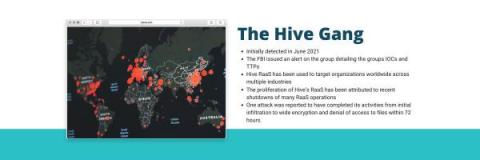
The Hive Gang is a Ransomware as a Service (RaaS) providers first identified in June 2021. Although relatively new, their aggressive tactics and ever evolving malware variants have made them one of the most successful RaaS groups of its kind. Find out how the group has risen through the ranks with their advanced ransomware kit, API based portal and negotiation services.
Read also: Greece’s natural gas supplier DESFA hit with ransomware, an advanced BEC campaign targets high-ranking executives, and more.