Security | Threat Detection | Cyberattacks | DevSecOps | Compliance

Who has access to your private keys?

“Not your keys, not your crypto” is a common phrase in the world of digital assets, and for good reason. Private keys are the only information required to sign transactions and move your digital assets. Because of this, only trusted individuals or third parties should have access to your organization’s private keys. But how do you ensure this stays true as you grow your business, team, and network of counterparties?

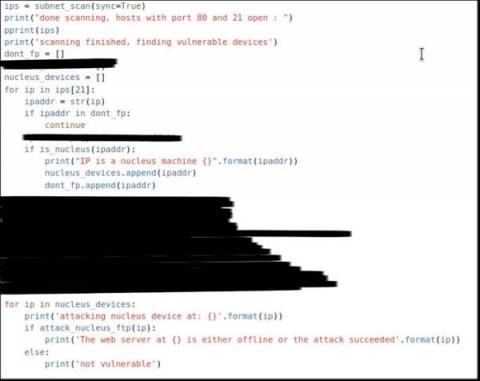
10 of the Most Common IoT Hacks and How to Defend Against Them

The Internet of Things (IoT) has revolutionised the way we live and work, connecting devices and systems to the internet and each other to create a more efficient and interconnected world. However, as with any new technology, the IoT comes with its own set of security risks and vulnerabilities. In this blog, we will look at the 10 most common IoT hacks and how to defend against them.

The trouble with CVEs and vulnerability management in modern tech stacks

Conversations about basic cybersecurity hygiene often start with a lecture on effective patch management. While proper patch management is certainly recommended, much more can be done. Say you’ve locked the doors of your house before leaving for vacation – an opportunist might only check to see if the doors are locked, but a persistent thief might try the windows or look for other ways in. Similarly, CVEs and CVSS serve a purpose, but they still leave you with many untreated risks. Why?

Why Open Source License Management Matters

The ongoing rise in open source vulnerabilities and software supply chain attacks poses a growing threat to businesses, which heavily rely on applications for success. Between 70 and 90 percent of organizations’ code base is open source, while vulnerabilities such as Log4j have significantly exposed organizations to cyberattacks.

Compliance for SMEs: What you need to know

For ensuring compliance in your business practises, it is worth noting that it is just as common (if not more common) for bad actors to target small businesses and small-to-medium-sized enterprises (SMEs). A website can easily get hacked, an email account can be compromised, and sensitive information may even be stolen by employees. These are just a few common examples of how data can be breached.

How to Stay Compliant with HIPAA Password Requirements

The Health Insurance Portability and Accountability Act (HIPAA) is U.S. legislation that sets national privacy and security standards to protect the privacy of patient health information and prevent data breaches. In addition to doctors, hospitals, other healthcare providers, health insurance companies and “business associates” of healthcare organizations fall under HIPAA regulations.