Security | Threat Detection | Cyberattacks | DevSecOps | Compliance

What is cookie consent and why is it important?

Accelerating security solutions for small businesses‍ Tagore offers strategic services to small businesses. A partnership that can scale‍ Tagore prioritized finding a managed compliance partner with an established product, dedicated support team, and rapid release rate. Standing out from competitors‍ Tagore's partnership with Vanta enhances its strategic focus and deepens client value, creating differentiation in a competitive market.

Incident Response Is No Longer About Response Alone. It's About Resilience.

Kroll Named in Forrester Cybersecurity Incident Response Services Landscape as It Launches Enhanced Retainer. An organization’s ability to respond to a cyber incident depends on decisions made long before an incident occurs. Investigating a breach, containing a threat and meeting legal and regulatory requirements remain essential. But effective incident response must also support a broader business objective: long-term resilience.

What October's security incidents taught us about exposed credentials

October brought a series of security incidents across AI and developer platforms. Several platforms reported incidents involving credentials or environment variables. Across several of those disclosures, access to one system became a way to reach credentials for others.

Securing the AI-era network: Why performance and defense now belong together

Secure the AI-era network by combining high-performance protection, deeper visibility across every environment, and coordinated response that stops fast-moving threats sooner. AI doesn’t operate in isolation. Its prompts, workflows, data exchanges, and API calls all depend on the network. As organizations put AI to work, it adds a new layer of traffic that is increasingly encrypted, application-driven, and machine-to-machine.

LevelBlue and rrelentless: Bringing Proactive Cyber Resilience to Cyber Insurance Policyholders

Cyber insurance has traditionally done its most important work after something goes wrong. We think it can do much more before an incident ever happens. That's why LevelBlue is partnering with rrelentless, a UK-based specialist Managing General Agent (MGA), to give its cyber insurance policyholders access to LevelBlue's cybersecurity expertise as part of their policy.

Is Your Refrigerator Running? Yes, It's Running an Outdated OS: What the Supermarket Refrigeration Attacks Reveal About Embedded Security

Overnight on November 2, freezers in supermarkets across Sweden, Belgium, Luxembourg and Ireland climbed to around 50°C, and stores awoke to spoiled stock. This is the second wave within a month, after a similar attack on hundreds of French stores in October. No one has publicly claimed either attack, and the attack vector hasn't been confirmed. Regardless of who is responsible, the targets are what should worry us.

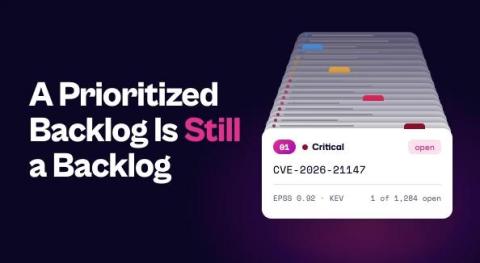
A Prioritized Backlog Is Still a Backlog

Vulnerability prioritization helps security teams identify what matters most, but it doesn’t actually resolve exposures. Even with better visibility, deduplication, and risk-based context, vulnerabilities remain unresolved until teams investigate, remediate, and verify the fixes. Real risk reduction isn’t about how efficiently you organize your backlog. It’s about how quickly you take action to shrink it.

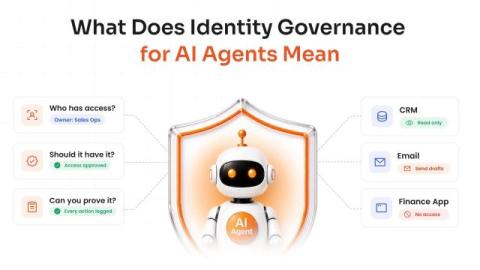
The Importance of Identity Governance for AI Agents

Identity governance answers three basic questions: Who or what has access? Should it have that access? And can you prove it later? Organizations have managed their employees this way for years. Every employee has an account, an owner, and a business reason for their access. But AI agents introduce new identities that require the same level of governance. Think about what an AI agent actually does.

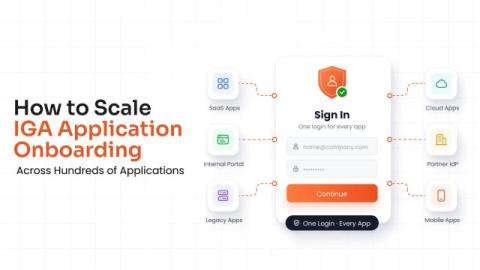
How to Scale IGA Application Onboarding Across Hundreds of Applications

An expense app, a payroll system, and a project management tool support different parts of your business. Yet each raises the same access questions: Who can use it? What are they allowed to do? And do they still need those permissions? Identity governance and administration (IGA) helps teams manage these questions. But first, each application needs to be brought into the governance process.