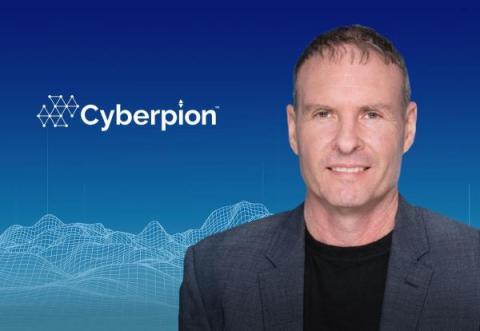
Cyberpion Names New CEO and Expands Management Team to Lead Next Phase of Growth
Differentiated Solution in Fast Growing External Attack Surface Management Market Led to 250% ARR Growth in 2022.


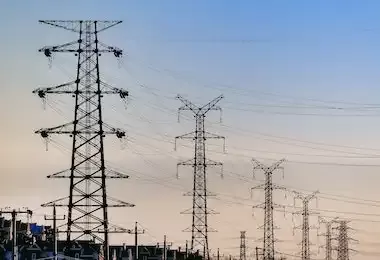
In the event that there was a malicious actor who wanted to disable a country or state's power supply, the utility sector would be one of the first targets of this attack as seen in the Moore County power outage and the recent attacks on Portland’s infrastructure. Whenever stakes are this critical, it is essential that security is prioritized throughout the systems and processes involved in such matters.
Kubernetes adoption has rocketed into ubiquity. At this point, 96 percent of organizations are either using Kubernetes for container orchestration or evaluating its use, according to the latest Cloud Native Computing Foundation annual survey. But this doesn’t mean that Kubernetes isn’t without security risks. The flexibility of container applications and their capability to carry discrete components that interact over the network present security challenges.
In the first blog in this series, we discussed setting up IAM properly. Now we’re moving on to the second step, avoiding direct internet access to AWS resources. When AWS resources like EC2 instances or S3 buckets are directly accessible via the Internet, they are vulnerable to attack. For example, brute force attacks on SSH login, denial of service (DOS) attacks on server resources via Layer 3, 4, or 7 flooding, or the inadvertent disclosure of data on an S3 bucket.
In Africa, there are a plethora of banking prospects. The area is a “sleeping giant” when it comes to having access to conventional bank accounts, online banking, and reasonably priced financial services. Identity Verification APIs are now providing resolutions to the finance sector with their old customer onboarding woes in Africa. The World Bank estimates that 57% of Africans still don’t have a bank account of any type, including a mobile money account.
I’m thrilled to be partnering with Nethanel Gelernter and taking on the CEO role at Cyberpion. Several months ago, Liran Grinberg introduced me to Cyberpion to explore the possibility of joining the Board and helping the leadership team take the company to its next level of growth.
It’s one of our favorite times of the year – the unveiling of our annual State of Software Security (SoSS) report. Software security issues can have devastating effects on organizations, damaging their financial stability and reputations. That’s why our research this year centered on a crucial question: what can be done to avoid introducing security flaws in the first place?