5G is already transforming and enhancing mobile connectivity. With its high speeds and low latency, almost all businesses and industries are now in the position to digitize applications and services they couldn’t dream of not long ago. With 5G networks, billions of devices and IoT (the internet of things) are interconnectible — leading to use cases like smart cities, AR/VR on mobile networks, remote medicine and much more. The potential is practically unlimited.
Modern organizations rely heavily on software and systems. Secure coding standards are significant, as they give some assurance that software installed on the organization’s system is protected from security flaws. These security standards, when used correctly, can avoid, identify, and remove loopholes that might jeopardize software integrity. Furthermore, whether developing software for portable gadgets, desktop systems, or servers, secure coding is critical for modern software development.
The SANS 2021 Automation and Integration Survey is now available for download, focusing on the question: First we walked, now we run – but should we? Let’s face it, we’ve talked about security automation for years. We’ve grappled with what, when and how to automate. We’ve debated the human vs machine topic.
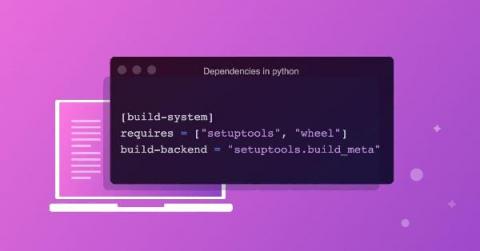
Python has been deemed as a “simple” language — easy to use and easy to develop scripts to do numerous tasks — from web scraping to automation to building large-scale web applications and even performing data science. However, dependencies are managed quite differently in Python than in other languages, and the myriad options of setting up an environment and package managers only add to the confusion.
Detectify collaborates with Crowdsource, our private network of ethical hackers to help our customers access the latest critical security research and secure their web apps. With a hot hack summer, we saw a lot of devastating breaches which casted a negative view onto hackers as criminals. At Detectify, we believe that hackers are our allies.
When smaller firms are hit by a cyberattack, the cost can be devastating. One out of four businesses with 50 or fewer employers report paying at least $10,000 to resolve an attack. And for organizations with fewer than 500 employees, insider incidents alone cost an average of $7.68 million, according to the Ponemon Institute's 2020 Cost of Insider Threats report.
In our recent blog, Who Do You Trust? OAuth Client Application Trends, we took a look at which OAuth applications were being trusted in a large dataset of anonymized Netskope customers, as well as raised some ideas of how to evaluate the risk involved based on the scopes requested and the number of users involved. One of the looming questions that underlies assessing your application risk is: How does one identify applications? How do you know which application is which? Who is the owner/developer?
As part of our upcoming attendance at the International Cyber Expo & International Security Expo, we were lucky enough to sponsor The Cyber Security Webinar Series with Nineteen Group and Grey Hare Media. Both Philip Ingram MBE and Emanuel Ghebreyesus, strategic account director for Tripwire, spoke about several topics including: You can read some of the highlights from their conversation below.