Keeping your residents and assets safe presents complex challenges, often with priorities that seem to be at odds. Buildings need robust security, yet access must be as smooth and convenient as possible for residents. Residents desire easy entry for deliveries, dog walkers, and scheduled services, while also having peace of mind that their units are secure.
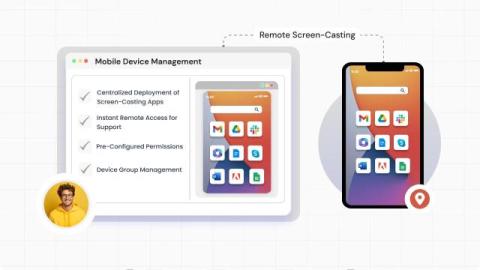
Let’s explore how remote screen-casting on iOS devices can revolutionize your business operations. From enhancing IT support efficiency to improving employee training and ensuring compliance, discover why integrating screen-casting tools is a strategic move for modern enterprises.
Beginning in early April 2025, Kroll has observed a large wave of malicious activity surrounding "PDFast" software. Initial access for the campaign appeared to begin either through a new install of the application, through drive-by compromise on the site pdf-fastcom, or via pre-installed versions of the application that have since been updated with a malicious version.
It doesn’t matter which industry you belong to; cybersecurity is one of the most important factors you should always be cautious about. When it comes to government agencies, the stakes are even higher! Government agencies are prime targets for cybercriminals, including state-sponsored actors and APT groups. These APT attackers often utilize Advanced Persistent Threats (APTs), which are designed to infiltrate target networks and gain access to sensitive data over extended periods.
A quarter century ago, a former computer science student from the Philippines accidentally unleashed one of the most destructive computer viruses in modern history.
The UK retail market has been thrown into turmoil in recent weeks, with three of that nation's highest-profile retailers being targeted allegedly by the well-known threat group Scattered Spider in at least one of the most disruptive incidents.
During the investigation of a large-scale cryptocurrency theft, with total losses significantly exceeding USD 1 million spread across multiple currencies, Kroll researchers discovered two new pieces of malware. These pieces of malware ultimately led to deployment of Havoc C2’s agent, “Demon.”
Hospitals, clinics, pharma companies and digital‑health start‑ups are now on the front line of application‑layer threats. Without purpose‑built Web Application and API Protection, vital services and patient safety are placed at risk. Some concerning stats.
CMMC mandates that companies working as part of the government supply line need to comply with a level of security determined by their handling of controlled information. Identifying the level of compliance necessary for your business is the first step in achieving that compliance. The second step is scoping.