Security | Threat Detection | Cyberattacks | DevSecOps | Compliance

Difference between Network DLP vs Endpoint DLP vs Cloud DLP

When it comes to protecting business-sensitive data, understanding the difference and the scope of Network DLP, Endpoint DLP, and Cloud DLP is essential. Each of these Data Loss Prevention solutions (DLP) plays a unique role in securing data across various environments, whether it is on the Network, on individual devices, or in the Cloud. Knowing how each solution works can help you determine the best approach to safeguard your organization's sensitive information.

What is Data Loss Prevention (DLP)?

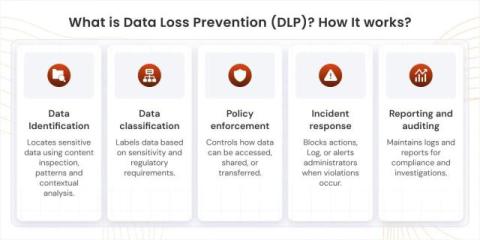
Data Loss Prevention (DLP), also called data leakage protection, is a cybersecurity approach designed to detect, prevent, and manage unauthorized access, sharing, or transfer of sensitive information. In simple terms, DLP helps organizations keep control of critical data such as personally identifiable information (PII), financial records, credentials, and intellectual property (IP).

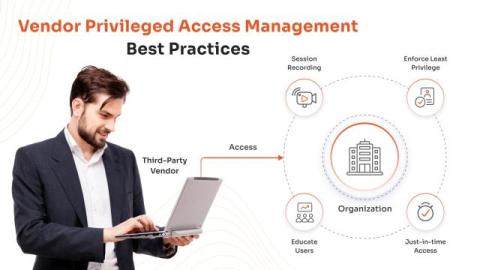
11 Third-Party Vendor Privileged Access Best Practices

Third-party vendors are an essential part of modern enterprise operations, providing critical services such as infrastructure maintenance, application support, system integrations, and managed IT services. To perform these tasks, vendors often require remote access to internal systems, frequently with elevated privileges. While this access enables operational efficiency, it also introduces significant security risks if not managed properly.

Introducing Abilities API in WordPress Plugins

WordPress released version 6.9 in December 2025, introducing a new framework that changes how the platform communicates with external tools. The update added support for WordPress Abilities API and the Model Context Protocol (MCP), allowing WordPress sites and plugins to describe their capabilities in a structured, machine- and human-readable format. The change reflects a broader shift in how websites are managed.

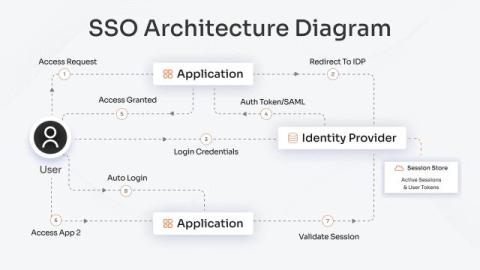
Single Sign-On Architecture Deep Dive: Protocols, Tokens & Identity Flow

Given the mountain of applications that we use today, having them together and logging in to each of them can be a hassle. However, a well-designed SSO architecture comes to your rescue increasing productivity and simplifying your daily worklife. This blog aims to unfold the differences in SSO architecture, with a focus on SSO protocols like SAML, OAuth, as well as architecture diagrams, integrations, challenges, and best practices that expert teams are already using.

Single Sign-On (SSO) for WordPress Membership Plugins

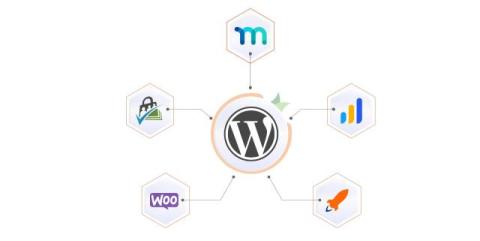
The subscription economy is reshaping how businesses generate revenue. Juniper Research predicts it will surpass $722 billion by 2025, with a 68% increase expected between 2025 and 2030. This model is no longer limited to streaming services like Netflix or Spotify. Companies across industries are launching exclusive subscriptions or memberships that provide stable revenue, predictable cash flow, and stronger customer relationships. WordPress membership plugins make managing these subscriptions simple.

What Is SCIM Provisioning and How It Works in Shopify

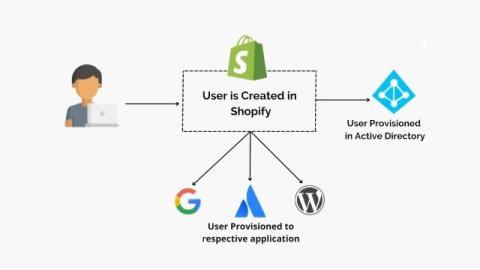
SCIM provisioning, or System for Cross-Domain Identity Management provisioning, is a standardized way to automate the process of creating, updating, and removing user accounts across multiple applications. Instead of manually adding or deleting users in each platform, SCIM provisioning ensures that any change made in one system is instantly reflected in all connected systems. This keeps user data consistent, reduces admin workload, and improves security.

12 Best WordPress Security Plugins to Protect Your Website

In 2025, more than 14,000 WordPress sites reported security vulnerabilities caused by weak passwords, outdated plugins, old themes, and configuration gaps that automated attacks detect far faster than most teams anticipate. Attackers continuously scan the WordPress ecosystem, moving from site to site in search of small vulnerabilities that naturally emerge as websites grow. That’s why strong security plugins are essential: they help seal off these common entry points.

How to Implement Separate B2B and B2C Login & Onboarding in Shopify

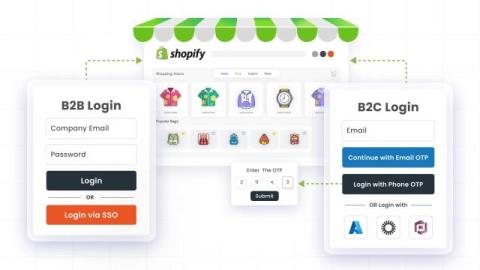
Shopify stores are evolving beyond simple retail operations. What once was a primarily consumer-focused platform is now powering complex B2B experiences with tiered pricing, customer groups, and negotiated catalogs catering multiple B2B vendors and companies. However, as stores diversify their audiences, authentication becomes a critical pain point. A login flow designed for retail customers might be fast and convenient.

How miniOrange's GPT App Connects LLMs to Your WordPress Site

WordPress is entering a new phase in how websites are managed with the introduction of API Abilities and support for the Model Context Protocol (MCP). These updates allow WordPress core, plugins, and themes to clearly define the actions they support and how those actions should be executed. For the first time, WordPress can communicate its capabilities in a structured way that large language models can reliably understand.