Security | Threat Detection | Cyberattacks | DevSecOps | Compliance

Best Practices for De-Identifying PHI: A Comprehensive Guide

In the hands of the right individuals, healthcare data can be of immense value. Place it in the wrong hands, however, and it can also be a significant privacy risk. PHI or Protected Health Information can contain many details that directly identify a person. These can be names, addresses, financial data, medical histories, etc.; personal identifiers that can point to specific people.

What Does Cyber Insurance Cover? Does It Cover GDPR Fines?

Cyber insurance, also referred to as cyber liability insurance, is a specialized insurance product designed to help businesses mitigate financial losses resulting from cyber threats. In today’s digital landscape, cyber risks such as ransomware attacks, malware infections, and data breaches can lead to severe financial and operational damage.

De-identification of Structured & Unstructured Medical Data at Scale

Medical data privacy and patient data security are paramount in today’s digital age. The rapid advancement of AI and big data has revolutionized healthcare and introduced significant challenges in protecting sensitive health information. De-identification, the process of removing personally identifiable information (PHI) from medical records, is crucial for balancing patient privacy with the need for research and innovation.

How to Secure AI and Protect Patient Data Leaks

AI systems bring transformative capabilities to industries like healthcare but introduce unique challenges in protecting patient data. Unlike traditional applications, AI systems rely on conversational interfaces and large datasets to train, test, and optimize performance, often including sensitive patient information. AI systems pose complex risks to patient data privacy and AI data security that cannot be effectively managed using traditional methods.

AI Compliance: Mastering Regulations with Protecto

As Artificial Intelligence (AI) adoption accelerates, so do data privacy, security, and compliance concerns. Navigating the regulatory landscape is complex, as AI applications often handle sensitive personal data across borders and industries. In this blog, we discuss the challenges of AI compliance, the regulations that impact AI, and how Protecto can help businesses master compliance with confidence.

Securing Patient Privacy: Techniques for De-identifying Healthcare Data

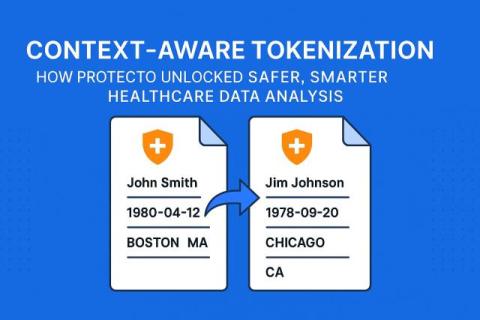
Protecting patient privacy is vital in the healthcare industry. The rise of digital records has made safeguarding sensitive information more challenging. De-identifying healthcare data ensures compliance with regulations like HIPAA while protecting patient information. Key concepts include PHI (Protected Health Information), de-identification, and the safe harbor method.

Differences Between De-Identification And Anonymization

Understanding the distinction between de-identification vs. anonymization is critical in today’s data-driven world. These processes are essential for safeguarding privacy while enabling the ethical use of data. Both techniques significantly meet regulatory standards such as GDPR anonymous data and HIPAA de-identified data requirements. However, their purposes and methods differ significantly.

Top 10 Features to Look for in Data Privacy Management Software

In an era where data privacy regulations are becoming stricter, businesses must prioritize compliance and security. Whether you’re handling customer information, financial records, or employee data, using data privacy management software is essential to mitigate risks and ensure compliance with laws like GDPR, CCPA, and HIPAA. However, choosing the best data privacy management software can be challenging.

Secure Gen AI With Role-Based Access Control (RBAC)

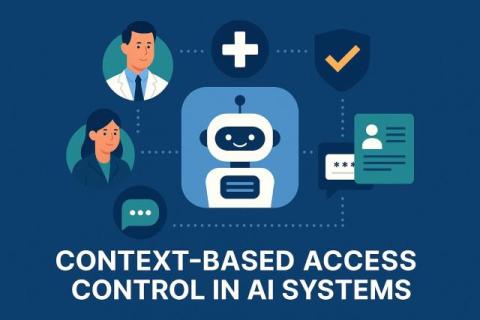
Generative AI (Gen AI) has transformed how businesses handle data and automate processes. Its ability to generate human-like content and analyze massive datasets has unlocked new opportunities. However, these capabilities also introduce significant data security risks. Unauthorized access, data misuse, and breaches are growing concerns. Role-Based Access Control (RBAC) is a critical solution for mitigating these risks.

5 Ways Audit Trails Can Protect Your Business

Audit trails are systematic records of activities and transactions within a system. They provide a transparent and chronological log of actions, making them essential for modern business operations. By integrating audit trails into their systems, businesses can strengthen transparency and enhance security. Audit trails are not just about record-keeping. They form the backbone of a secure and accountable business environment.