Security | Threat Detection | Cyberattacks | DevSecOps | Compliance

Why unmanaged RDP is risky at enterprise scale (and how to regain control)

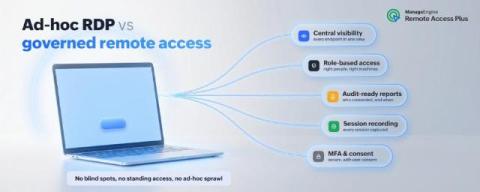
Remote Desktop Protocol (RDP) is the path of least resistance for gaining access to another Windows machine. It is built into the OS, it is free, and almost every admin and help desk technician already knows how to fire up mstsc.exe and type in a hostname-as simple as that. That convenience is exactly why RDP is everywhere inside corporate networks.


Top tips: How to spot a scammer pretending to be your boss

Top tips is a weekly column where we highlight what's trending in the tech world and share practical ways to navigate these shifts. This week, we're looking at spear-phishing: how cybercriminals weaponize social engineering, why your natural instinct can act as a security blind spot, and practical steps to verify suspicious requests before you take action. I would like to make a confession: I’m a well-versed tech expert, but I almost fell for a phishing scam.

Segmenting visibility with DNS Views for tighter network access control

Most organizations experience a strange DNS problem at some point: The same domain name means something different depending on who's asking for it. For example, a single internal app, workspace.company.com, might need to serve a locked-down instance to finance, a live staging build to engineering, and a stable production build to support — all under one domain and from the same DNS server.

MSP Central expands its security stack with Device Control

MSPs are maturing endpoint security with patching, vulnerability remediation, and antivirus protection. But one high-impact risk still slips through in many client environments: unmanaged peripheral devices. A single unauthorized USB drive can copy sensitive client data in minutes and introduce malware into otherwise protected systems. This is why we've launched Device Control in MSP Central—an MSP-ready solution capable of governing every device that touches your client endpoints.

Top tips: Your work laptop has a life after office hours

Top tips is a weekly column where we highlight what’s trending in the tech world and share ways to stay ahead. This week, we’re taking a moment to talk about what goes on between you, your work laptop and the IT team once you log off for the day. You shut your laptop at the end of the workday. As far as you're concerned, work is over. But for your IT team, their work might just be getting started.
Featured Post

The first short-lifespan TLS renewal wave is closer than it looks

If your organization runs anything on the public internet, a mandate that changes how often you renew TLS certificates is already in effect. In March 2026, the maximum validity of public TLS certificates dropped from 398 days to 200. What fewer teams have worked out is that the first certificates issued under the 200-day cap start expiring at the end of September. That makes this autumn the first real test of whether your renewal workflows are ready for what the next three years will ask of them.

Patch Reliability Score: Make patch deployment decisions with confidence

Every Patch Tuesday starts the same way: New patches become available, and administrators begin answering the question, Is this patch safe to deploy? That answer rarely comes from a single place. Most administrators read the vendor's knowledge base article, look for known issues, monitor community discussions, and wait for early deployment feedback before rolling the patch out across the organization.

Protecting data in the cloud: Risks, responsibilities, and best practices

Cloud storage feels like an ocean—vast, endless, and deeper than Everest is tall. While it feels like there is limitless space for your data, the reality is not so harmonious. It's truly a case of survival of the fittest. With the right policies and data protection practices in place, your data remains safe. If not, it could either be lost in the abyss as dark data or end up as the next meal of a great white.