Security | Threat Detection | Cyberattacks | DevSecOps | Compliance

How to Set Up an SSH Jump Server

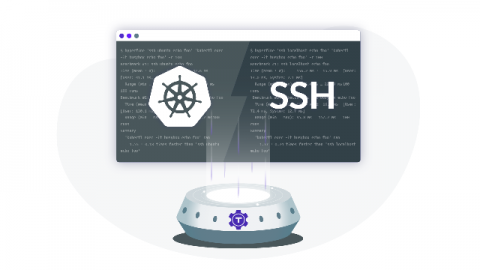
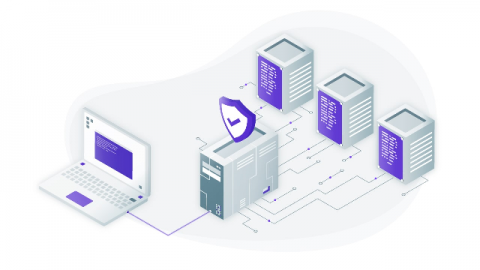
In this blog post we’ll cover how to set up an SSH jump server. We’ll cover two open source projects. Both of these servers are easy to install and configure, are free and open-source, and are single-binary Linux daemons. An SSH jump server is a regular Linux server, accessible from the Internet, which is used as a gateway to access other Linux machines on a private network using the SSH protocol.

Commit Code Confidently with the Nightfall DLP CircleCI Orb

Nightfall Data Loss Prevention (DLP) is now available as a CircleCI orb. CircleCI orbs are reusable snippets of code that help automate repeated processes, speed up project setup, and make it easy to integrate with third-party tools. With the Nightfall DLP orb, you can scan for sensitive items and prevent developers from accidentally committing sensitive information. We’re excited to announce our launch with CircleCI and share what you can do with the Nightfall DLP orb.

How The JFrog Platform Drives DevSecOps At Scale

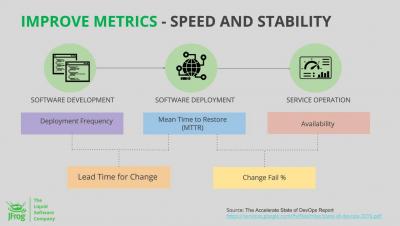
With the JFrog Platform at the core of your DevSecOps tool chain, you will over achieve your deployment frequency and change lead time metrics. By integrating JFrog into your existing CI environment current skills (people) and processes are maximized, while aggregating all the commercial and open source software artifacts, dependencies and documentation for re-use across all of your development projects to drive consistency and quality of the build.

Track open source security exposure with Snyk and Datadog

Using open source code makes it easier to build applications, but the freely available nature of open source code introduces the risk of pulling potential security vulnerabilities into your environment. Knowing whether or not customers are actually accessing the vulnerable parts of your application is key to triaging security threats without spending hours fixing an issue that doesn’t affect end users.

Session Control for SSH and Kubernetes in Teleport 4.4

Teleport 4.4 is here! The major innovation we’re introducing in this version is much improved control over interactive sessions for SSH and Kubernetes protocols. We’ll do a deeper dive into session control later, but for those who aren’t familiar with it, Teleport is an open source project. It provides access to SSH servers and Kubernetes clusters on any infrastructure, on any cloud, or any IoT device, anywhere, even behind NAT.

Teleport 4.4: Concurrent Session Control & Session Streaming

A SSH session can be interactive or non-interactive. The session starts when a computer or human connects to a node using SSH. SSH sessions can be established using public/private key cryptography or can use short lived SSH Certificates, similar to how Teleport works. Organizations often want to know who is accessing the systems and provide a greater level of control over who and when people are accessing them, which is where Teleport 4.4 comes into play.

Strategically Managing Cloud Resources for Security, Fun, and Profit

The first time I created a cloud compute instance, then still called a “Cloud VM”, was an almost transcendent moment. It was like magic. I was at my first organization which had adopted the cloud, in my first DevOps position, and I immediately knew that the world had changed.

The Cloud Network Security Gap

Before we dive into the gap in cloud network security, let’s take a step back. If you’ve been in Operations for a while, you might remember how it used to be. “Network” was a team. When you needed to open a port on the network, you had to provide an exhaustive definition of the change, explaining what port you needed, what external addresses should be able to reach it, and where it should be routed to internally.