Security | Threat Detection | Cyberattacks | DevSecOps | Compliance

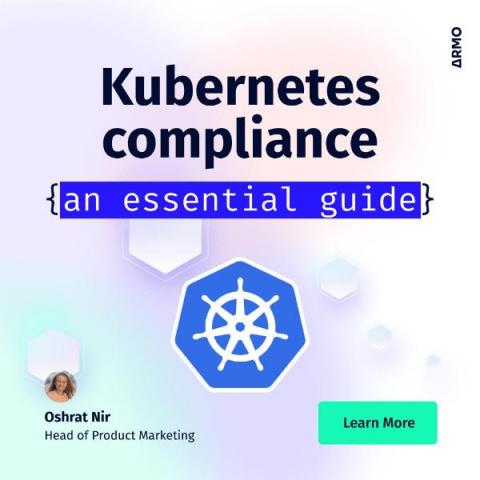
The Guide to Kubernetes Compliance

Kubernetes (K8s) has achieved undeniable mainstream status, with 96% of organizations currently evaluating or already using this technology, according to the Cloud Native Computing Foundation (CNCF). This popularity also brings growing scrutiny over Kubernetes compliance standards and audits, in light of how Kubernetes and cloud native technologies demand a very different approach to security.

Why CISOs Need to Care about Compliance Regulation in Cybersecurity

Compliance regulation is a necessary evil in the world of cybersecurity. As a CISO, you need to be aware of all compliance regulations that affect your organization so that you can ensure your security program meets these requirements while also protecting sensitive data.

HIPAA Compliance: 5 Healthcare Cyber Security Vulnerabilities

The world of healthcare has gone digital. Records can now be transferred anywhere they are needed, from hospital to hospital, or even directly to the patient’s email inbox. While the digitalization of healthcare records is extremely convenient but it is now equally dangerous. These sensitive PHI data are exposed to various forms of cyber threats and vulnerabilities.

Interview With CMMC Practitioner, Rhia Dancel

For the next installment in our series of interviews asking leading security and compliance specialists about their achievements in their field, we’ve welcomed Rhia Dancel, Lead Auditor and CMMC Registered Practitioner with the NSF. Rhia Dancel is an ISO/IEC 27001 and 9001 Lead Auditor for NSF-ISR as well as a CMMC Registered Practitioner and has previously held several auditing and technical positions in information security and pharma quality sectors.

Compliance Guide: Third-Party Risk Management and the GDPR

The General Data Protection Regulation (GDPR) is one of the world’s most popular regulations. Though the European Union designed the GDPR to protect European citizens, its compliance transcends European borders, impacting most businesses collecting personal data via their websites - because you can’t control whether a European citizen accesses your website. Third-party vendors often require access to sensitive personal data to deliver their services.

Mobile Devices and CMMC L2

A study recently shared with Ignyte posed a question that has been and is currently on many minds. How are organizations that have to adhere to CMMC level 2 handling personal devices? In other words, how do various device policies such as bring your own device (BYOD), choose your own device (CYOD), company owned personally enabled (COPE), and company owned business only (COBO) work with CMMC requirements.

DFARS Compliance in Microsoft 365

Cybersecurity has become an important topic for the defense supply chain. The ever-increasing number of digital channels that data can be exchanged through, has exponentially increased the risk of data breaches and leaks. This puts a lot of pressure on these organizations to ensure that the risks associated with the handling of sensitive data are as low as possible.

IoT and the GDPR - How to stay compliant

Businesses that incorporate Internet of Things (IoT) into their daily operations have rarely, if ever, had access to so many resources to help improve your customer reach, collect more personal data and reduce your internal operational expenses due to IoT automation. IoT devices are ubiquitous, and as technology advances, so does the invention and use of connected devices within workplaces and our homes.