AI is here to stay. But 67% of IT admins feel it's outpacing their ability to secure it. So how do we lead in the age of AI without getting left behind?
In this video, I walk you through the basics of getting started with MCP servers using Claude Desktop as the client. Whether you're new to MCP servers or just looking for a smooth way to connect and explore, this step-by-step guide will help you get up and running in no time!
We’ve been hearing (and using) a lot of acronyms lately. MCP, A2A, ACP… it’s easy to fall behind. Fortunately for our customers, all of these new standards are API based! Since Riscosity is built to discover, monitor, and govern all HTTP-based data flows, it requires no extra integration or setup to handle MCP, A2A, or ACP traffic.
Until 2023, India’s data privacy landscape was largely unregulated – businesses didn’t have to worry about how they process and store data. Sensitive customer data like Personally Identifiable Information (PII) could travel around the world in 80 days and land back to its source without violating a single regulation. While the unregulated digital space was a boon for data dependent businesses, it was a bane for customer privacy.
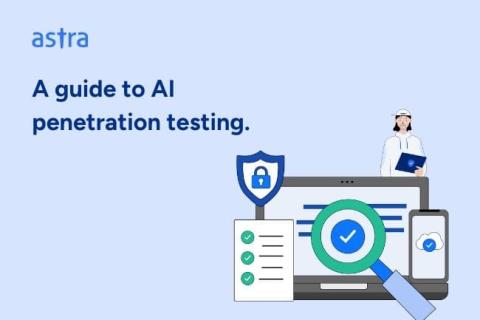
With the increasing usage of AI systems in critical infrastructure and business operations, there is an inevitable need to secure these systems. AI pentesting is a domain-specific security assessment designed to identify and remediate vulnerabilities unique to AI systems, including machine learning models, training pipelines, and their underlying infrastructure.
Clip of the show/podcast with Sunil Pai. About Cloudflare's ecosystem for developers and how most people don't realize that AI and agents are ready to make a difference. Sunil is the founder of PartyKit (an open source deployment platform for AI agents), acquired by Cloudflare in 2024. And he’s a Principal Systems Engineer that is building AI agents at Cloudflare.
Artificial intelligence is rewriting the rules for cybersecurity on both sides of the battle. Cloud adoption, a broadening attack surface, and AI-fueled cyber threats are driving organizations to rethink their approach to security. Discussions on the best way to adapt to a highly dynamic threat environment will naturally steer toward updating SIEM, as it is core to today’s security operations.
The rapid adoption of AI, particularly generative AI tools like ChatGPT and Copilot, presents both immense productivity opportunities and significant data security challenges for organizations. While employees increasingly leverage AI for various business functions, this widespread use often occurs outside sanctioned channels, creating what's known as shadow AI.
The traditional office is rapidly evolving in our technology-fueled world. As more professionals seek alternatives to rigid 9-to-5 setups, shared coworking spaces are emerging as innovative solutions that blend technology with human-centered design. These spaces aren't just about having a desk away from home, they're powered by cutting-edge tech that can dramatically transform how we work. With hybrid work models becoming the norm rather than the exception, understanding the tech advantages of flexible workspaces has never been more important.
The rapid adoption of AI coding assistants is transforming software development in ways both good and bad. Developers can produce more code faster than ever with AI, and 96% of developers report using AI coding assistants to streamline their work. AI code generation is becoming mainstream, and in late 2024, Google reported that AI writes more than 25% of its code. While GenAI tools increase productivity, they’re also creating more work for application security teams.