
10 Surprising Tech-Driven Benefits of Choosing a Flexible Workspace
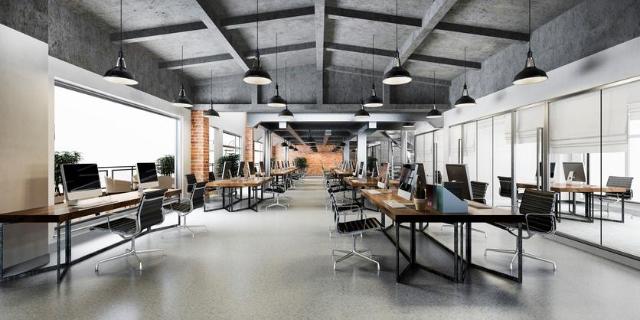
The traditional office is rapidly evolving in our technology-fueled world. As more professionals seek alternatives to rigid 9-to-5 setups, shared coworking spaces are emerging as innovative solutions that blend technology with human-centered design. These spaces aren't just about having a desk away from home, they're powered by cutting-edge tech that can dramatically transform how we work.
With hybrid work models becoming the norm rather than the exception, understanding the tech advantages of flexible workspaces has never been more important.
Let's explore the unexpected benefits that make these environments a game-changer for today's professionals.
1. AI-Powered Productivity Assistants
Modern flexible workspace solutions have moved far beyond just providing a place to sit. They're now integrating sophisticated AI systems that make your workday smoother and more efficient.
2. Virtual Workspace Optimization
Flexible workspaces are becoming smarter, adapting in real time to user preferences. These environments now leverage AI to monitor how, when, and where professionals are most productive, then optimize the layout and space availability accordingly.
Whether you need a quiet zone for deep focus or a collaborative area for brainstorming, these systems intelligently guide you to the right place at the right time. It’s no longer about finding a desk, it’s about finding the right desk for the task at hand.
In rapidly developing cities such as Chennai, this kind of smart workspace design is more than a luxury, it’s a necessity. As a growing hub for technology, finance, and creative industries, Chennai is seeing increased demand for work environments that can keep up with the fast pace of innovation.
The rise of startups and hybrid teams has shifted expectations, pushing for more adaptive and tech-enabled workplaces. Choosing a coworking space in chennai isn’t just about location or aesthetics, it’s about finding a space that aligns with the evolving needs of modern professionals and the city's expanding digital economy.
3. Automated Workflow Management
Many professionals working in Chennai find that a well-designed coworking space in Chennai offers AI tools that streamline repetitive tasks. These systems can prioritize your daily to-dos, suggest optimal times for deep work, and even recommend when to take breaks based on your productivity patterns.
The best part? These AI assistants integrate seamlessly with your existing apps and tools, creating a unified system that reduces context-switching and mental load.
Now that we've seen how AI transforms your daily workflow, let's explore how physical and digital experiences blend seamlessly in modern flexible workspaces.
4. Seamless Digital-Physical Integration
Today's affordable coworking spaces are blurring the line between physical environments and digital tools, creating truly responsive workspaces.
5. IoT-Enabled Environment Controls
Smart environment systems allow you to control your immediate surroundings through mobile apps. Adjust lighting brightness and temperature to your exact preferences, or let the system learn what conditions help you perform best throughout the day.
Occupancy sensors do more than count bodies, they help workspace operators understand usage patterns and optimize layouts for better flow and collaboration. This technology ensures you're never fighting for space during peak hours.
6. Contactless Experience Technology
The pandemic accelerated touchless technology adoption, and flexible workspace solutions have embraced this shift. Facial recognition systems eliminate the need for key cards or check-ins, creating a frictionless entry experience while enhancing security.
Voice-activated amenities reduce physical contact points and create a more hygiene-conscious environment. Simply ask for what you need, and the workspace responds. With the physical environment becoming more responsive, let's examine how connectivity infrastructure supports these advanced features.
7. Advanced Connectivity Infrastructure
The foundation of any tech-enabled workspace is robust, reliable connectivity, an area where modern flexible office spaces truly excel.
Enterprise-Grade Networking
Unlike home internet or basic public WiFi, leading flexible workspaces implement redundant high-speed connections with automatic failover systems. This means your critical video call won't drop even if one internet provider experiences issues.
Dedicated bandwidth options ensure that data-intensive tasks like rendering, large file transfers, or multi-participant video calls perform flawlessly without competing with other users' demands.
5G and Wi-Fi 6E Integration
The most progressive shared coworking spaces are already implementing next-generation connectivity standards. These technologies deliver dramatically lower latency, perfect for real-time collaboration tools and cloud-based applications.
Dynamic bandwidth allocation intelligently prioritizes connections based on the importance and requirements of different tasks. Your video conference gets priority over someone else's casual web browsing, ensuring professional communications remain crystal clear.
These connectivity advances enable more immersive collaboration tools that weren't previously possible in traditional workspaces.
8. Immersive Collaboration Tools
Modern collaboration goes well beyond conference calls and shared documents, with flexible workspaces pioneering new ways to work together.
AR/VR Meeting Spaces
Forward-thinking affordable coworking spaces now offer dedicated augmented and virtual reality zones. These areas allow teams to visualize 3D models, create virtual prototypes, or conduct immersive training capabilities that would be prohibitively expensive for individual companies to implement themselves.
Architects and designers particularly benefit from these technologies, as they can walk clients through virtual models of buildings before construction begins. This capability alone justifies the cost of membership for many design professionals.
Smart Boards and Interactive Displays
Interactive displays with touch recognition, digital whiteboarding, and real-time document collaboration create dynamic meeting environments that capture and digitize brainstorming sessions automatically.
The most innovative aspect of these systems is their ability to integrate with remote team members seamlessly. All participants whether physically present or joining virtually can contribute equally to discussions and access the same information.
While these collaboration tools enhance teamwork, the next generation of flexible workspaces is also focusing on individual well-being through technology.
9. Health Tech Integrations
As awareness of workplace wellbeing grows, tech-enabled health features are becoming standard in premium flexible workspaces.
Biometric Wellness Monitoring
Indoor air quality sensors continuously monitor CO2, particulate matter, and VOC levels, ensuring workspace environments support cognitive function and overall health. Real-time dashboards keep members informed about their working environment.
Ergonomic guidance systems use subtle notifications to remind users to adjust posture, take breaks, or change positions throughout the day. These gentle nudges help prevent the physical strain associated with desk work.
Mental Wellbeing Technologies
Sound masking systems create acoustic environments that minimize distractions while maintaining a sense of ambient activity. The result is focused work without the isolation of complete silence or the disruption of clearly audible conversations.
Some premium flexible workspace solutions even offer meditation pods with guided sessions and biofeedback capabilities. These spaces provide a tech-enabled sanctuary for mental reset during busy workdays. Beyond wellbeing, technical support ecosystems represent another major advantage of flexible workspaces.
10. Tech Support Ecosystems
Having immediate access to technical expertise can make the difference between a productive day and a frustrating one, lost to troubleshooting. Many affordable coworking spaces include access to on-site IT specialists who can quickly resolve hardware issues, software configuration problems, or connectivity challenges. This support would typically require expensive service contracts for individual companies.
Beyond reactive support, these spaces often host technology learning communities where members share knowledge through informal meetups or structured workshops. This collective expertise creates valuable learning opportunities that wouldn't exist in isolated traditional offices.
As we've seen, technology transforms every aspect of the flexible workspace experience, from the moment you enter until you leave at day's end. These innovations aren't just about convenience, they create environments that adapt to human needs rather than forcing humans to adapt to rigid spaces.
Workspace Selection Takeaways
When evaluating flexible office spaces, consider these key technology factors:
- Connectivity, reliability, and redundancy
- AI and automation capabilities that enhance productivity
- Environmental controls and personalization options
- Available collaboration technologies
- Health and wellbeing tech integrations
- Technical support accessibility
The right technology-enabled flexible workspace doesn't just provide a place to work, it becomes a productivity multiplier that adapts to your unique needs while connecting you with a community of like-minded professionals.
FAQs
What cybersecurity measures protect my data in shared coworking spaces?
Enterprise-grade firewalls, segmented networks, and secure authentication systems create isolated environments for each member. Many spaces also offer private VLAN options for teams with heightened security requirements.
How do flexible workspace technologies enhance focus and productivity?
Smart acoustic systems reduce disruptive noise, lighting adjusts to circadian rhythms, and AI assistants minimize administrative tasks. Many spaces also offer focus zones with technology that blocks digital distractions.
Can I integrate my existing tech tools with flexible workspace systems?
Most premium flexible workspaces provide API access for integration with popular business tools. Some offer dedicated IT support to help members connect their systems with workspace technologies for seamless experiences.