Security | Threat Detection | Cyberattacks | DevSecOps | Compliance

Comparing Node.js web frameworks: Which is most secure?

JavaScript is the world’s most popular programming language, providing many web frameworks that help developers build secure, reliable Node.js web applications. Each framework has unique features, and which framework is right for you depends on your preference and the type of application you intend to create. With so many frameworks available, you need a way to assess their security.

Stranger Danger: Your JavaScript Attack Surface Just Got Bigger

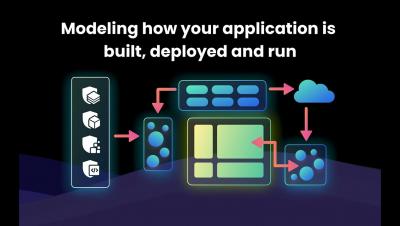
Building JavaScript applications today means that we take a step further from writing code. We use open-source dependencies, create a Dockerfile to deploy containers to the cloud, and orchestrate this infrastructure with Kubernetes. Welcome - you're a cloud native application developer! As developers, our responsibility has broadened, and more software means more software security concerns for us to address.

Proof-of-Concept Exploit Released for Critical Vulnerability in Microsoft Word (CVE-2023-21716)

On February 14, 2023, Microsoft released a security advisory for CVE-2023-21716, a critical remote code execution vulnerability in Microsoft Word. While CVE-2023-21716 was deemed to be of critical severity, Microsoft assessed at the time of publication that the vulnerability was “less likely” to be exploited, and no proof-of-concept exploit was available. Microsoft also noted that the vulnerability may be exploited through the Preview Pane in Microsoft Outlook.

Snyk Workflows - Builds & Branching

Snyk integrates with your IDEs, repos, workflows, and automation pipelines to add security expertise to your toolkit. The “menu” of options available to you is extensive, so we created this three-part series to get you started and running. What about when you need to compare different versions of code? This third session of the series covers the more advanced topic of builds and branching and more.

Mitigating path traversal vulns in Java with Snyk Code

Path traversal is a type of security vulnerability that can occur when a web application or service allows an attacker to access server files or directories that are outside the intended directory structure. This can lead to the unauthorized reading or modification of sensitive data.

Wallarm Platform Demo: API Discovery & API Posture Management

Learn how to discover all the APIs in your portfolio, based on actual traffic instead relying on schemas, including internal and external-facing endpoints, so you can protect them against OWASP Top-10 threats like Injections and BOLA, ensure sensitive data are protected against unintentional or malicious disclosure, and much more.