Security | Threat Detection | Cyberattacks | DevSecOps | Compliance

The Latest Cybersecurity News & Insights From Around The World

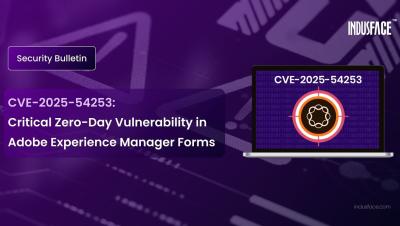
CVE-2025-54253: Zero-Day Vulnerability in Adobe Experience Manager Forms
A critical zero-day (CVSS 10.0) in Adobe Experience Manager (AEM) Forms JEE 6.5.23.0 and earlier allows authentication bypass and remote code execution (RCE). AppTrana delivers immediate Day 0 protection with: Virtual patching before vendor fixes Continuous monitoring of exploit attempts 24×7 security team ensuring zero downtime With a public PoC already available, the risk is high. Apply the patch ASAP or protect instantly with AppTrana WAAP.

Seemplicity Raises $50M to Democratize Exposure Management with AI
New funding led by Sienna Venture Capital to fuel AI innovation and international growth.

Prioritize with Snyk's Open Source Vulnerability Experience
Prioritizing which vulnerabilities to fix across your application isn't always easy. Is it exploitable? Is it reachable? Will the update introduce breaking changes? Are there any other teams using this library that you should be aware of? What does the backlog look like if other changes need to be made? And that's just this week. Next week, it'll be the same thing all over again, with new discoveries, new version releases, and maybe even a new cybersecurity breach.


AI Agents Vulnerabilities and Prompt #cybersecurity #aisecurity
Mend.io, formerly known as Whitesource, has over a decade of experience helping global organizations build world-class AppSec programs that reduce risk and accelerate development -– using tools built into the technologies that software and security teams already love. Our automated technology protects organizations from supply chain and malicious package attacks, vulnerabilities in open source and custom code, and open-source license risks.

CVE-2025-54253: Critical Zero-Day Vulnerability in Adobe Experience Manager Forms
A newly discovered zero-day vulnerability, tracked as CVE-2025-54253, affects Adobe Experience Manager (AEM) Forms on JEE versions 6.5.23.0 and earlier. Adobe has responded by issuing an urgent security update to prevent exploitation. Rated critical with a CVSS score of 10.0, this vulnerability can allow attackers to bypass authentication and execute arbitrary code remotely without requiring any user interaction.

Vulnerability Management vs Exposure Management in Cybersecurity
We’ve normalized drowning in vulnerabilities. Thousands of findings, weekly scans, red dashboards – it’s all become background noise. And still, attackers slip through. Why? Because we’ve been solving for the wrong variable. The real question isn’t what’s vulnerable, it’s what’s exposed. Not every vulnerability is a threat.

Shadow IT: How to find hidden risks in your network
Shadow IT has evolved from an occasional nuisance to a pervasive security challenge that affects every organization. These unauthorized applications, services, and devices operating outside of IT oversight create blind spots in your security posture that attackers are increasingly exploiting. But here’s the reality: your employees aren’t trying to undermine security.
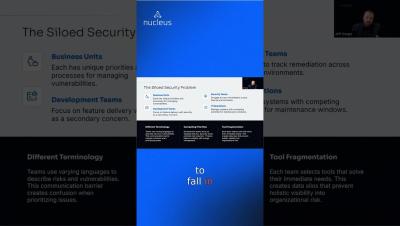
From Chaos to Clarity - Security vs. Convenience
Nucleus CISO Jeff Gouge discusses the difference between security vs. convenience in this short webinar clip.