The recent Trustwave SpiderLabs report, Cybersecurity in the Healthcare Industry: Actionable Intelligence for an Active Threat Landscape, offers a detailed look at the typical attack flow used in a variety of cyberattacks. The attack flow discussed in the report focused on what a healthcare organization might face, but for the most part, attack flows stay the same regardless of the vertical being attacked.
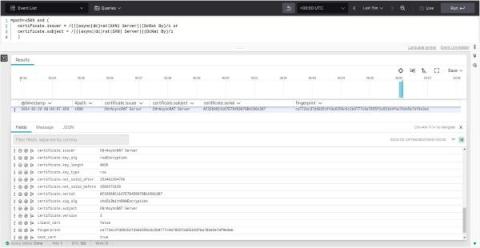
In terms of unencrypted traffic, several highly used protocols lend themselves to logging and can significantly reduce the burden of packet capture without lowering the fidelity of information or the capabilities of analysts.
Why have cyber incidents topped the Allianz Risk Barometer for the last two years in a row? Growing attack surfaces are partly responsible. Remote work, cloud migration, IoT use and other trends give cyber threats more places to enter and hide within networks. But there is another cause – deficiencies in the standard approach to threat detection and response.
Ransomware is still present and growing across the threat landscape, to the extent that some organizations now include the cost of a ransomware attack in their annual budgets. Data from our Internet Security Report - Q4 2022 reveals that ransomware detections on endpoints rose by an alarming 627% in 2022 compared to the previous year. While ransomware does not discriminate by industry type, the report clearly shows the manufacturing sector was the most affected during 2022.