Security | Threat Detection | Cyberattacks | DevSecOps | Compliance

The Power of Open-Source Tools for Network Detection & Incident Response

When conducting incident response, EDR and firewall technologies can only show you so much. The breadth of network traffic provides an unrivaled source of evidence and visibility. Open source security technologies such as Zeek, Suricata, and Elastic can deliver powerful network detection and response capabilities, furthermore the global communities behind these tools can also serve as a force multiplier for security teams, often accelerating response times to zero-day exploits via community-driven intel sharing.

Privilege Escalation with DCShadow

DCShadow is a feature in the open-source tool mimikatz. In another blog post, we cover without detection once they’ve obtained admin credentials. But DCShadow can also enable an attacker to elevate their privileges. How can a Domain Admin elevate their access even higher? By obtaining admin rights in other forests. Leveraging SID History, an attacker can add administrative SIDs to their user account and obtain admin level rights in other trusted domains and forests.

Corelight Investigator: Ready for Europe

This summer, we launched Investigator, Corelight’s SaaS-based network detection and response (NDR) solution that fuses rich network evidence with machine learning and other security analytics to unlock powerful threat hunting capabilities and accelerate analyst workflows. Today, we are pleased to share that the Investigator platform is engaged in attestation for GDPR to support customer threat hunting and incident response operations across Europe.

Detecting the Manjusaka C2 framework

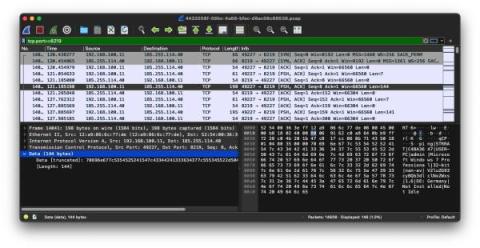
Security practitioners may know about common command-and-control (C2) frameworks, such as Cobalt Strike and Sliver, but fewer have likely heard of the so-called Chinese sibling framework “Manjusaka” (described by Talos in an excellent writeup). Like other C2 frameworks, we studied the Manjusaka implant/server network communications in our lab environment, and here we document some of the detection methods available. We have also open-sourced the content we describe.

Cloud Insecurities - How to threat hunt in hybrid and multi cloud environments

Amidst a record number of workloads moving to the cloud – security teams must not only confront the cyber-skills shortage, but also a general lack of cloud expertise. Corelight and guest Forrester will share best practices for building threat detection, hunting, and incident response capabilities to the cloud and upskilling your existing SecOps team. Watch this on demand webcast to learn.

Recognizing and Stopping Insider Threats in the Healthcare Industry

As a direct result of COVID-19 burnout, the ongoing Great Resignation trend might be impacting healthcare more than any other industry. Research shows that healthcare has already lost an estimated 20% of its workforce over the past two years. This turnover is happening top-to-bottom throughout organizations. Doctors are switching between hospitals, administrative staff are leaving the industry, and technology teams are being lured away by higher paying jobs in other sectors.

SANS Protects: The Network

SANS Protects is a series of papers focused on the most prevalent threats to specific, critical components of your environment as well as actions you can take to mitigate those threats and thwart threat actors. In this webcast, sponsored by Corelight, SANS Certified Instructor Matt Bromiley will examine current, prevalent network threats and how adversaries use them to take advantage of, and maintain footholds in, victim environments.

SANS 2022 Report Moving to a State of Zero Trust

In this webcast, SANS certified instructor Matt Bromiley will explore the concept of zero trust and what it means to security teams and your overall security posture. As a concept, zero trust is relatively straightforward: Trust no one until verified, inside or outside the network. However, this is often easier said than done, especially for systems built on legacy authentication models. Matt will also examine what a zero trust implementation looks like, how this can stop adversaries dead in their tracks, and what your organization can do to begin moving toward a state of zero trust.