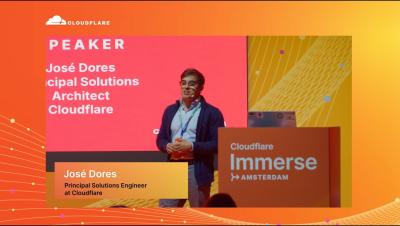
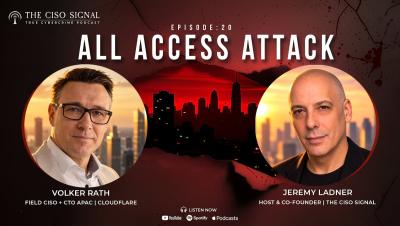
Jose Dores of Cloudflare explains how programmable SASE gives organizations the fastest path to adopting AI safely, with security built for what comes next.
An AI agent can summarize, classify, and move customer data in seconds. An activity log can tell you what happened, but not why a person set it in motion. Teramind AI Usage Control connects the human action to the AI tool, the data involved, and the behavior that follows, across devices, apps, and workflows. With Teramind, security and IT teams can.
Compliance content answers the question of when an obligation starts. For the serious incident reporting duty in the AI Act, the honest answer is that it is disputed, and the dispute is not a failure of research. Two readings of the text point in different directions, neither is obviously wrong, and no authority has resolved it. What follows is the reasoning on both sides and what to do without picking one.
The best way to find a trustworthy Android app is to check its developer, permissions, reviews, Data Safety information, and update history before installing it. I have installed plenty of Android apps over the years, and I have learned that a high rating or millions of downloads do not always tell you enough. Some apps look useful at first but end up showing excessive ads, demanding unnecessary permissions, or frequent crashing after a recent update.
For prop traders, a payout is the moment the whole process becomes real. It's also where trust gets tested, because a slow or unexplained delay can undo months of disciplined trading. That makes payout handling a security question as much as a customer service one. How a firm verifies requests, protects the funds behind them and moves money out says a lot about how seriously it takes risk. This guide looks at what a well-run payout process involves, then compares five prop firms traders often weigh against each other.
It was just a little chat window in the corner of the screen. But behind it was a web of trusted connections reaching deep inside the enterprise. Here’s how attackers turned a trusted integration into a massive supply chain breach. Expand for more details and resources In August 2025, attackers tracked as UNC6395 compromised OAuth tokens associated with Salesloft’s Drift integration. This turned trusted connections to Salesforce environments into an attack path reaching hundreds of companies, including top-tier cybersecurity organizations.
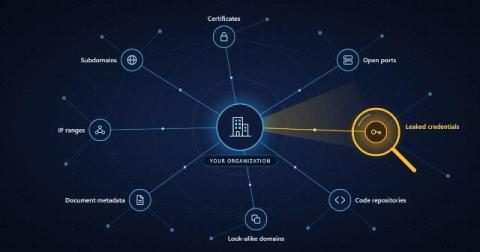
Attackers rarely start with an exploit. They start with a search: which subdomains a company runs, which staff email addresses sit in breach dumps, which forgotten server still answers on the internet. MITRE ATT&CK treats this stage as a tactic of its own, Reconnaissance, and most of it runs on public data.
A session to a sanctioned AI provider looks the same on the network whichever account it ran under and whatever was in it. Transport encryption means a proxy sees a connection to an approved domain and a payload size. Which is fine until somebody asks whether an exposure is reportable. The question turns on three facts the network never held, and none of them can be reconstructed from a log afterward.
Local AI agents are becoming part of everyday work, accessing enterprise data, using tools, and completing tasks directly on employee devices. Security teams need to enable this adoption without losing visibility, control, or governance over agent actions - even when those actions happen locally.