Security | Threat Detection | Cyberattacks | DevSecOps | Compliance

CVE-2025-31324: Maximum-Severity File Upload Vulnerability in SAP NetWeaver Exploited in the Wild

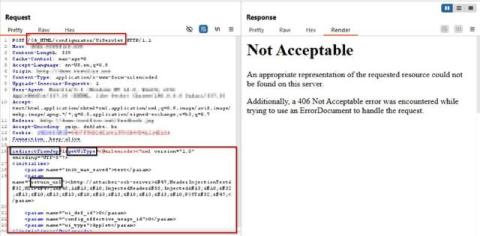
On April 24, 2025, SAP released fixes for CVE-2025-31324, a maximum-severity zero-day unrestricted file upload vulnerability in the NetWeaver Visual Composer component. Visual Composer is a tool within NetWeaver for creating applications and user interfaces. The vulnerability was discovered by ReliaQuest, which initially observed its exploitation in the wild.

FBI 2024 IC3 Report: Phishing Soars, Ransomware Batters Critical Infrastructure as Cyber Losses Climb

The Federal Bureau of Investigation’s (FBI) Internet Crime Complaint Center issued the 25th edition of its annual report this month, again noting a jump in complaints and losses from phishing, ransomware, and data breaches among the leading cyber threats. Overall, the FBI’s 2024 IC3 reported $16.6 billion in losses, up from $12.5 billion in 2023, on 859,532 complaints received. This figure was down slightly from the 880,418 complaints received in 2023.

Social Engineering Campaign Abuses Zoom to Install Malware

A social engineering campaign is abusing Zoom's remote control feature to take control of victims’ computers and install malware, according to researchers at security firm Trail of Bits. The operation targeted Trail of Bits’ CEO, who recognized it as malicious and didn’t fall for the attack. The researchers have attributed the campaign to the ELUSIVE COMET threat actor.

Guide: What is KMI (Key Management Infrastructure)?

One of the most critical elements of modern information security is encryption. Encryption is a complex field based solely on the arms race between people seeking secure ways to encode and encrypt data at rest and in transit and those seeking to break that encryption. Encryption is extremely commonplace. Most websites you visit use SSL, the Secure Socket Layer, which uses encryption to secure data traveling between your device and the servers hosting the website.

Who Must Comply with NIST? A Compliance Guide

National Institute of Standards and Technology (NIST)—is a U.S. federal agency that develops and promotes measurement standards, including some of the most widely used cybersecurity frameworks in the world. While originally designed to strengthen the security posture of federal systems, NIST guidelines are now used across industries as a benchmark for best practices in information security, risk management, and compliance.

Trelica by 1Password recognized in the Gartner Magic Quadrant for SaaS Management Platforms

SaaS sprawl – the proliferation of applications within an organization, including unsanctioned shadow IT – has created an urgent need for IT and security leaders: keeping sensitive data secure while enabling employees to use the apps they need. That’s why we feel that Trelica by 1Password’s inclusion in the 2025 Gartner Magic Quadrant for SaaS Management Platforms marks more than just a milestone. It signals the growing need for unified SaaS governance and security.

Threat Replay Testing: Turning Attackers into Pen Testers

API security is no longer just a concern; it’s a critical priority for businesses. With APIs serving as the backbone of modern applications, they’ve become a primary target for attackers. While automated security testing tools help detect vulnerabilities, their limitations leave organizations exposed to evolving threats. Here’s where Threat Replay Testing (TRT) comes into play.