Security | Threat Detection | Cyberattacks | DevSecOps | Compliance

Unmasking EncryptHub: Help from ChatGPT & OPSEC blunders

This is the second part of Outpost24’s KrakenLabs investigation into EncryptHub, an up-and-coming cybercriminal who has been gaining popularity in recent months and is heavily expanding and evolving operations at the time of writing. We’ve already published one article explaining EncryptHub’s campaigns and TPPs, infrastructure, infection methods, and targets.

Australia's Crackdown on Customer Fraud Losses: A Wake-Up Call for APAC

Let’s be honest – the burden of payment fraud has for years fallen squarely on the shoulders of scammed customers – A.K.A., victims. Reimbursement has largely been tactical; an opt-in gesture of goodwill administered on a case-by-case basis to customers who either make enough noise, or hold accounts banks can’t afford to lose. If you’re familiar with the UK’s APP fraud reimbursement mandate, you’ll know that things are changing in a big way.

CISO: Chief Cybersecurity Warrior Leader

A Cybersecurity Warrior Leader is a term that combines the concepts of leadership and expertise in the field of cybersecurity with the mindset and traits of a warrior. These individuals function as CISOs and vCISOs in project and operational roles leading programs, initiatives, teams, and organizations in defending against cyber threats, while exhibiting key qualities associated with warriors, such as strategic thinking, resilience, and a strong sense of duty.

Decoding Threat Intelligence: A Glossary

Threat intelligence is a vast and evolving field that encompasses a wide range of concepts, methodologies, and terminologies. Whether you are a cybersecurity professional, an analyst, or someone looking to enhance your understanding of the domain, being familiar with key terms is essential. However, the sheer number of acronyms and technical jargon used in threat intelligence can often be overwhelming and difficult to keep up with.

Identifying Compromised Credentials with Identity Intelligence

Every day, stolen credentials are bought, sold, and exploited on the dark web, fueling account takeovers, data breaches, and financial fraud. Organizations must act fast to stop these threats before they escalate. Yet, traditional security tools struggle to detect compromised credentials before it’s too late. According to Bitsight’s upcoming State of the Underground 2025 report, leaked credentials surged by 24% and logs listed on underground markets rose by 13.2% in 2024 alone.

Leaked employee credentials: The dark web risk your business can't afford

Ransomware attacks often make headlines, but there’s a quieter and more insidious threat lurking online—cybercriminals bidding on access to your company’s most sensitive data. This isn’t just a theoretical risk; employee account credentials are actively sold for as little as $10, potentially allowing cybercriminals to compromise them.

Introducing GitGuardian's Generic Secrets Enricher

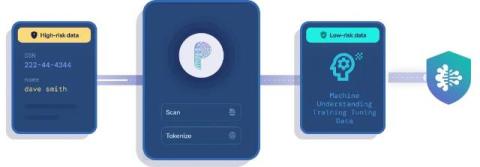
GitGuardian is proud to introduce our new Machine Learning-powered Generic Secret Enricher, helping all customers quickly understand the origin and type of discovered generic secrets. The 2025 GitGuardian State of Secret Sprawl report shows that 58% of all detected secrets fall into the generic category.

How to Secure and Make Your Iframe Compliant in 2025

Iframes are a common tool for embedding content on websites. But they can also bring risks if not handled right. In 2025, it is important to secure iframes. This helps protect your site and meet PCI DSS rules for iframes while avoiding security vulnerabilities. This guide will show you how to secure your iframe, make it compliant, and keep your web security for iframes strong. It includes a table of contents to help you navigate the steps. Let’s get started!

Who needs to comply with NIS 2? Scope, requirements, and penalties explained

NIS 2 is a new EU directive that establishes a unified cybersecurity framework for specific organizations within Member States. Compared to the original NIS directive, the scope has been expanded, and compliance is mandatory for in-scope organizations. ‍ The broader scope means that while NIS 2 is EU-specific, some organizations outside the Union may also be subject to its requirements.