Security | Threat Detection | Cyberattacks | DevSecOps | Compliance

DevSecOps101: To Do or Not To Do

DevSecOps, a progression from DevOps, involves embedding security practices throughout the software development process. It emphasizes collaborating, automating, and continuous monitoring to ensure efficient delivery of secure and reliable software. We explore concepts of DevSecOps such as: We review the case of Fannie Mae, who embraced DevSecOps and succeeded in improving collaboration, reduced vulnerabilities, and accelerated software development.

Coffee Talk with SURGe: The Interview Series featuring Derrick Lawson

Join Ryan Kovar and special guest Derrick Lawson, Staff Sales Engineer at Splunk, for a discussion about M-21-31, a US memorandum establishing an event logging maturity model for federal government agencies. They’ll discuss strategies and tools that can help agencies with compliance.

Office Hours: Insights - Focus on Top RIsks

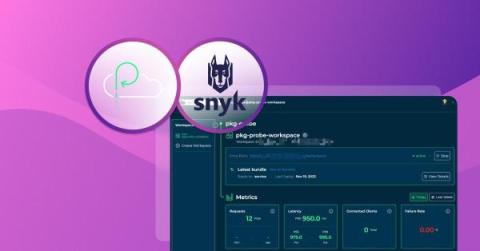
We recently announced Insights, a unique capability providing organizations with code to cloud application intelligence that enables development and security teams to manage their application security posture more effectively by identifying, prioritizing, and fixing those issues posing the greater risk. Watch: What Insights is How to access Insights How to use Insights Watch if you are interested in using Insights, have started, or work as an engineer, developer, or in DevOps.

Do You Know These Cybersecurity Basics?

There are many ways to safeguard your information online. Some cybersecurity basics you should already have down include using strong passwords, enabling Multi-Factor Authentication (MFA), regularly updating your software, limiting location sharing, not oversharing on social media, backing up your data and utilizing a VPN. Continue reading to learn more about what it looks like to implement these cybersecurity basics.

Best in Class

Why AWS indeed. This is not one of those start with why posts, but hopefully a peek into the reasons behind our partnership with AWS and what that means for you and how it could benefit you. The beginnings of something great Public cloud is well established, with about 50% of all workloads now running in a public cloud location. We have heard of ”the big three” cloud providers: AWS, Azure, and Google Cloud.

What is ISO 31000? An Effective Risk Management Strategy

ISO 31000 was specifically developed to help organizations effectively cope with unexpected events while managing risks. Besides mitigating operational risks, ISO 31000 supports increased resilience across all risk management categories, including the most complicated group to manage effectively - digital threats. Whether you’re considering implementing ISO 31000 or you’re not very familiar with this framework, this post provides a comprehensive overview of the standard.

WatchGuard Receives 2023 INTERNET TELEPHONY Friend of the Channel Award

Today, we are excited to share that WatchGuard was named a winner in the 2023 INTERNET TELEPHONY Friend of the Channel Awards! This prestigious award recognizes companies that run world-class channel programs that attract top MSPs and go the extra mile to support their partners.

Easily Enable Encryption: Secure Cloud-native Development Series

Build secure cloud-native applications by avoiding the top five security pitfalls we lay out in our Secure Cloud-native Development Series. This blog is the fourth part of the series, and it will teach you why and how to easily enable encryption and save yourself headaches down the road. Here's a new motto: encrypt everything! When securely moving to cloud-native technologies, building encryption in from the start will save us a lot of headaches later.

The Top 7 Cyberattacks on U.S. Government

In a world where ones and zeros are the new battleground, these threats, cyberattacks have become a significant threat to governments worldwide. The United States, with its vast array of government agencies and critical infrastructure, is no exception. Cybersecurity threats that impact the public sector range from state-sponsored attacks to financially motivated hacking groups. In this blog post, we’ll delve into the top 7 cyberattacks on the U.S.