Security | Threat Detection | Cyberattacks | DevSecOps | Compliance

What Does Cyber Insurance Cover? Does It Cover GDPR Fines?

Cyber insurance, also referred to as cyber liability insurance, is a specialized insurance product designed to help businesses mitigate financial losses resulting from cyber threats. In today’s digital landscape, cyber risks such as ransomware attacks, malware infections, and data breaches can lead to severe financial and operational damage.

AI Compliance: Mastering Regulations with Protecto

As Artificial Intelligence (AI) adoption accelerates, so do data privacy, security, and compliance concerns. Navigating the regulatory landscape is complex, as AI applications often handle sensitive personal data across borders and industries. In this blog, we discuss the challenges of AI compliance, the regulations that impact AI, and how Protecto can help businesses master compliance with confidence.

Securing Patient Privacy: Techniques for De-identifying Healthcare Data

Protecting patient privacy is vital in the healthcare industry. The rise of digital records has made safeguarding sensitive information more challenging. De-identifying healthcare data ensures compliance with regulations like HIPAA while protecting patient information. Key concepts include PHI (Protected Health Information), de-identification, and the safe harbor method.

Differences Between De-Identification And Anonymization

Understanding the distinction between de-identification vs. anonymization is critical in today’s data-driven world. These processes are essential for safeguarding privacy while enabling the ethical use of data. Both techniques significantly meet regulatory standards such as GDPR anonymous data and HIPAA de-identified data requirements. However, their purposes and methods differ significantly.

Top 10 Features to Look for in Data Privacy Management Software

In an era where data privacy regulations are becoming stricter, businesses must prioritize compliance and security. Whether you’re handling customer information, financial records, or employee data, using data privacy management software is essential to mitigate risks and ensure compliance with laws like GDPR, CCPA, and HIPAA. However, choosing the best data privacy management software can be challenging.

Secure Gen AI With Role-Based Access Control (RBAC)

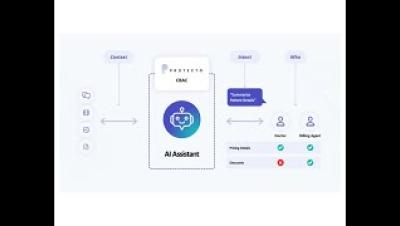
Generative AI (Gen AI) has transformed how businesses handle data and automate processes. Its ability to generate human-like content and analyze massive datasets has unlocked new opportunities. However, these capabilities also introduce significant data security risks. Unauthorized access, data misuse, and breaches are growing concerns. Role-Based Access Control (RBAC) is a critical solution for mitigating these risks.

5 Ways Audit Trails Can Protect Your Business

Audit trails are systematic records of activities and transactions within a system. They provide a transparent and chronological log of actions, making them essential for modern business operations. By integrating audit trails into their systems, businesses can strengthen transparency and enhance security. Audit trails are not just about record-keeping. They form the backbone of a secure and accountable business environment.

Mock Data for Testing: A Critical Component for Software and AI Development

Mock data is an essential tool in software development and testing, offering realistic and secure alternatives to sensitive production data. Beyond traditional testing, mock data is now a cornerstone for AI development, where large datasets are critical for training and validation. By mimicking the properties of real-world data while ensuring privacy and compliance, mock data enables organizations to innovate without compromising security or trust.

Healthcare Data Masking: Tokenization, HIPAA, and More

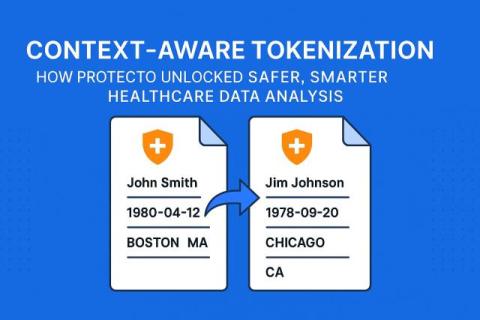
Healthcare data masking unlocks the incredible potential of healthcare data for analytics and AI applications. The insights from healthcare data can revolutionize the industry from improving patient care to streamlining operations. However, the use of such data is fraught with risk. In the United States, Protected Health Information (PHI) is regulated by the Health Insurance Portability and Accountability Act (HIPAA), which sets stringent requirements to safeguard patient privacy.

What is Data Protection in Healthcare, and Why is it Important?

Data protection in healthcare ensures patient information remains secure. The rise of digital health records increases the risks of data breaches and cyber threats. Strong security measures are essential to prevent unauthorized access and misuse of sensitive information. Healthcare institutions must implement advanced security protocols to combat evolving threats and ensure patient trust.