Security | Threat Detection | Cyberattacks | DevSecOps | Compliance

Updating Software Agents: A Key Cyber Hygiene Practice for All MSPs

As managed service providers (MSPs) at the helm of keeping organizations secure, taking proactive steps toward cyber hygiene is more vital now than ever. Maintaining an up-to-date and healthy environment is impossible without regularly updating software agents. Updating these tools improves operational efficiency, reduces IT ticket volume, and defends against known or potential new vulnerabilities in your clients' systems.

How to identify spam email? What to do with suspicious emails?

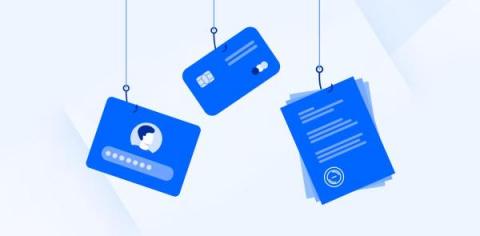
Spam email is a type of email that is sent in bulk for commercial advertising or phishing. Email scams are also a spam email, where scammers try to trick you into revealing personal information or giving them money. It can be easy to identify spam and phishing scam emails if you know what to look for in fake emails.

8 Best Practices for CISO Effectiveness in 2023

The third quarter of 2022 was challenging for government and corporate servers across the globe — we witnessed a 70% increase in data breaches over the second quarter’s numbers. Considering that security lapses are mainly on the shoulders of CISOs, it’s vital to know the instruments for improving their effectiveness. This blog post outlines a white paper written by former Gartner analyst Jonathan Care.

Delivering Continuous Office365 Security Audits

Native auditing tools often lack the ability to customise security according to each organisation’s individual needs. It also lacks continuous auditing automation and easy-to-follow remediation. Octiga gets all these features on a single multi-tenant dashboard, freeing MSPs from the once-off ad hoc audits that go unnoticed.#m365 #office365 #mspartner #managedserviceprovider

The Importance of Isolated Backups for Cybersecurity

In this video, we discuss the critical role of isolated backups in protecting your organization from cyber threats such as DDOS attacks and ransomware. We explain how disk backups are done on a daily, weekly, or monthly basis and can be stored in a safe and controlled environment, ensuring that critical data can be restored in the event of a breach. By keeping backups isolated from your network infrastructure, you can prevent cybercriminals from accessing them and ensure that your organization can recover quickly and effectively.