Security | Threat Detection | Cyberattacks | DevSecOps | Compliance

What is MFA Fatigue and Bombing: A Brief Outlook

Your phone is bombarded with notifications each day. You accept, deny, read, ignore, or delete these notifications every day. The Business of Apps statistics state that on average, a US smartphone receives 46 app push notifications in one day. These notifications can be overwhelming and become repetitive after some time, and reach a point where you don’t even pay attention to them anymore. You tend to take action on the notification without thinking because it is an everyday task.

Top 10 Identity Governance Software Solutions

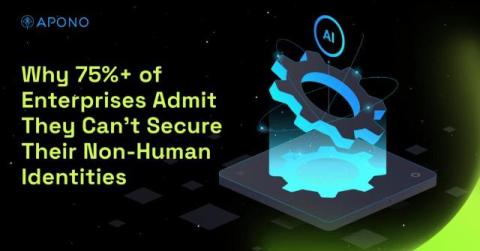
Identity sprawl is exploding. What was once a manageable set of user accounts has rapidly evolved into a complex ecosystem, comprising human identities, service accounts, ephemeral workloads, APIs, and bots, each with its own permissions and potential blast radius. Machine identities alone now outnumber humans by more than 80:1, creating an ever-expanding attack surface that most teams can’t fully see, let alone govern.

miniTalks Podcast | DPDP, Digital Identity, and Real-World Compliance Gaps

India’s Digital Personal Data Protection Act is not just another compliance checkbox. It changes how identities, access, and data must be handled every single day. In this episode of miniTalks by miniOrange, host Puja More speaks with Gaurav Bansod, Director of Strategic Partnerships and Alliances at miniOrange and a PhD in Cybersecurity, to unpack what DPDP really means in practice.

Joomla SAML SSO with Microsoft Entra ID (Azure AD) | Step-by-Step Setup Guide

Learn how to configure SAML Single Sign On (SSO) in Joomla using Microsoft Entra ID (formerly Azure Active Directory). In this step-by-step tutorial, we show how to connect your Joomla site as a SAML Service Provider (SP) with Microsoft Entra ID, enabling users to securely log in using their corporate credentials. What you will learn in this video: Creating and configuring a SAML application in Entra ID Setting up the Joomla SAML SP plugin Exchanging metadata between Joomla and Entra ID Configuring attribute mapping.

Vibe check your vibe code: Adding human judgment to AI-driven development

Remember when open meant visible? When a bug in open-source code left breadcrumbs you could audit? When you could trace commits, contributors, timestamps, even heated 2:13 a.m. debates on tabs versus spaces? That kind of openness created confidence in the code and made it possible to hold contributors accountable when issues arose. Today, as AI changes how code is created and shared, those familiar markers of trust and transparency are becoming harder to find.

Joomla SAML SSO with Okta | Step-by-Step SAML SP Setup Guide

Learn how to configure SAML Single Sign On (SSO) in Joomla using Okta as the Identity Provider. In this step-by-step tutorial, we show how to connect your Joomla site as a SAML Service Provider (SP) with Okta, allowing users to securely log in using their Okta credentials. What you will learn in this video: Creating and configuring a SAML application in Okta Setting up the Joomla SAML SP plugin Exchanging metadata between Joomla and Okta Configuring attribute mapping This configuration is ideal for organizations that want centralized user authentication, stronger security, and seamless access to Joomla using Okta-managed identities.

Secure & Unified Login for Shopify Plus Storefront via Single Sign-On

On Shopify Plus, every part of the customer journey needs to feel effortless — and the login experience sits right at the front. When you’re running multiple Shopify Plus stores, catering to global shoppers, or managing a growing network of B2B customers, even small login roadblocks can escalate into bigger issues: customer drop-offs, abandoned carts, and frustrated buyers. Shopify's built-in login options work for simple stores, but Plus merchants often face more complex identity challenges.

The State of IoT Identity Security in 2026: Why Machine Identity Is the New Perimeter

By 2026, the idea of a fixed security perimeter is no longer realistic. Organisations now operate across cloud platforms, industrial environments, remote sites, and edge locations, often supported by tens or hundreds of thousands of connected devices. These devices are not users in the traditional sense, yet they authenticate, communicate, update, and make decisions autonomously.