Security | Threat Detection | Cyberattacks | DevSecOps | Compliance

Ep 40: What to expect when you are expecting an audit

On this episode of Masters of Data, we brought back GRC expert Cassandra Mooseburger to pull back the curtain on audits, and spoiler: it is far less scary than the IRS knocking on your door. We break down what actually separates a certification from an attestation from a report, how to run a prep process that does not send your engineering team running for the hills, and why the social capital you build across the business is just as important as the evidence you collect. If you have ever wondered how compliance work translates into closed deals and customer trust, this one connects those dots.

How ADAudit Plus eliminates auditing blind spots and provides granular visibility into your AD environment

Active Directory (AD) auditing focuses on topics such as who did what, when, and from where within your network. AD auditing and SIEM monitoring are closely related, yet they play two distinct roles in cybersecurity. SIEM monitoring shows you how a change is connected to an attack or incident. Together, they enable faster investigations, accurate root-cause analysis, and a stronger security posture.

Rising Compliance Oversight Pressure: From Audit Fatigue to Continuous Readiness

Public sector cybersecurity leaders are no longer measured solely on whether they stop attacks, they are measured on whether they can prove it. Across federal, state, local and education environments, compliance obligations continue to expand. Frameworks and mandates include: These are not annual checkbox exercises. They require auditable, continuous evidence of control effectiveness, and for already stretched teams, this creates a second job: compliance documentation.

Cybersecurity Strengthens Trust in Digital Systems

Every time a customer enters payment details, shares personal data, or logs into an online service, they place enormous faith in the organization behind that platform, trusting that the entity responsible for managing their sensitive information will safeguard it against breaches, unauthorized access, and any form of misuse. This kind of faith is not something that customers grant freely or without careful consideration of the security measures in place. It is built through clear, measurable security practices that shield sensitive data from unauthorized access and misuse.

SOC 2 Type 1 vs Type 2: What Security Leaders Need to Know About Audit Readiness

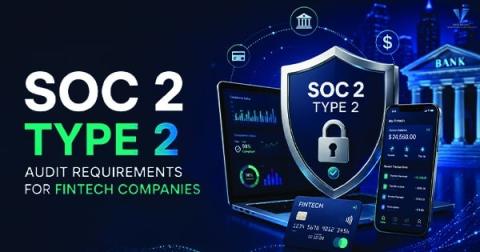
Security and compliance teams don't spend much time debating definitions. They focus on whether controls actually work in practice. That's why understanding the difference between SOC 2 Type 1 and Type 2 matters. The choice affects how controls are designed, how they are tested, and how customers evaluate your security posture. At a high level, Type 1 evaluates whether controls are properly designed at a specific point in time. Type 2 evaluates whether those controls operate effectively over a defined period, typically three to twelve months.

Goodbye audit chaos, hello Calm-pliance

Accelerating security solutions for small businesses‍ Tagore offers strategic services to small businesses. A partnership that can scale‍ Tagore prioritized finding a managed compliance partner with an established product, dedicated support team, and rapid release rate. Standing out from competitors‍ Tagore's partnership with Vanta enhances its strategic focus and deepens client value, creating differentiation in a competitive market. Map controls. Remediate gaps.

SOC Audit Checklist for Cybersecurity Compliance

A SOC audit (System and Organization Controls audit) is an important part of making sure that security measures are strong and that regulations are followed in today’s security environment. Through SOC audits, companies can demonstrate their commitment to best security practices by ensuring the safety of sensitive data and smooth operations.

Generate audit-ready vulnerability and compliance reports with Datadog Sheets

Security teams are frequently asked to provide clear, time-bounded evidence of their organization’s security posture. Whether the request comes from external auditors validating SOC 2, ISO 27001, PCI DSS, or internal governance reviews, they typically require collecting vulnerability data from multiple tools, reconciling resource lists, and manually generating spreadsheets for auditors. This process is slow, error-prone, and difficult to repeat consistently.

Security Audit Services and Top Companies in 2026

Security audits are a series of systematic assessments conducted internally or externally by experts. They are designed to evaluate an organization’s information systems, networks, and applications for vulnerabilities, compliance adherence, and overall security posture. However, a security audit is only as effective as its implementation.