Security | Threat Detection | Cyberattacks | DevSecOps | Compliance

Unlocking Global Content: How to Access Your Favorite Shows Abroad

The world is highly interconnected in the current era of digital technology. There is a fine line between the ease of communication across borders and the complicated content laws with which we have to comply. For example, moving from one place to another for business or leisure may make you discover that some of the countries do not allow certain streaming services. But fear not! There are several ways to unlock global content and enjoy your favorite shows abroad.

Stop Data Loss in its Tracks with Cato DLP Enhancements

Data Loss Prevention (DLP) solutions are essential for safeguarding valuable data. They scan traffic to prevent the transmission of sensitive information such as credit card details and personal identifiable information (PII) such as Social Security Numbers (SSNs). However, traditional DLP solutions are often complex to configure, manage, and operate.

Monitor your Cisco Umbrella network logs with Datadog Cloud SIEM

Cisco Umbrella is a platform for monitoring and maintaining the DNS-layer security across your network. It monitors network activity and detects behavior like DNS hijacking, spoofing, and other attacks. It can then reroute or block potentially malicious requests before they reach endpoints. However, while Umbrella’s DNS-layer security blocks malicious domains, the sheer volume of DNS and proxy logs it generates can overwhelm security teams.

Internal vs. External Network Penetration Testing: What IT Professionals Need to Know

As an IT professional, you know that cybersecurity threats are evolving every day. Hackers are finding new ways to infiltrate networks, steal data and disrupt operations. Bad actors often accomplish their goals by exploiting vulnerabilities, and they’re picking up the pace. The Verizon Data Breach Investigations Report 2024 highlighted a 180% rise in attacks that exploit vulnerabilities. One of the most effective ways to stay ahead of these threats?

CVE-2024-42509, CVE-2024-47460: Critical RCE Vulnerabilities Impacting HPE Aruba Networking Access Points

On November 5, 2024, Hewlett Packard Enterprise (HPE), the parent company of Aruba Networks, released a security bulletin addressing two critical-severity vulnerabilities affecting Aruba Networks Access Points. These vulnerabilities, identified as CVE-2024-42509 and CVE-2024-47460, could allow unauthenticated command injection.

Securing Port 139: Strategies to Prevent Unauthorized Access and Cyber Threats

In the realm of network security, safeguarding communication ports is a fundamental aspect of protecting a network’s integrity and confidentiality. Port 139, primarily used by the Server Message Block (SMB) protocol for file sharing in Windows networks, stands out as a critical point of vulnerability when not properly secured. This port facilitates network communications, allowing computers to share files, printers, and serial ports over a network.

Navigating the Risks of TCP 445: Strategies for Secure Network Communication

In the intricate matrix of network communications, TCP port 445 stands as a crucial node, facilitating the swift and efficient exchange of resources like files and printer services between computers on the same network. Yet, its significance as a channel for Server Message Block (SMB) communication within Windows operating systems also marks it as a vulnerable target for cyber threats.

Network Digital Twins Deliver Reliable AI Outcomes

In the realm of artificial intelligence (AI), especially when applied to networking and security, the accuracy and reliability of data are paramount. AI systems are only as good as the data they consume, and for network engineers, feeding these systems with up-to-date and precise information can make the difference between optimal performance and costly errors.

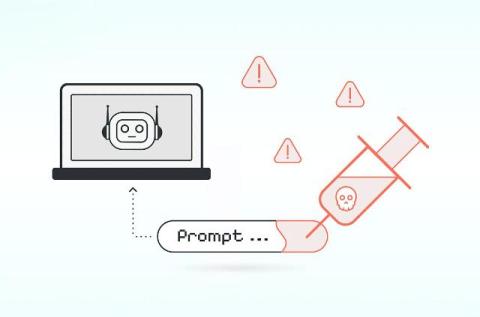
The Crucial Network Security Guardrails for Ensuring GenAI Success

Millions of organizations are actively deploying and leveraging generative AI (GenAI) applications in a bid to streamline productivity, reduce costs and improve efficiencies. A high percentage of enterprises are in the midst of trialing GenAI pilot programs, and by 2026, it is anticipated that more than 80% of enterprises will have deployed generative AI-enabled applications, according to Gartner.

Leveraging Custom IOC Feeds for Enhanced Threat Detection

Indicators of Compromise (IOCs) are vital components in cybersecurity, representing digital clues or evidence that signal a potential security breach or malicious activity in a computer system or network. Think of them as the fingerprints left behind by cybercriminals during or after a cyber-attack. Examples of common IOCs are: Security teams use IOCs as red flags to identify and mitigate threats before they cause significant damage.