Security | Threat Detection | Cyberattacks | DevSecOps | Compliance




Corelight Investigator introduces new Machine Learning Models
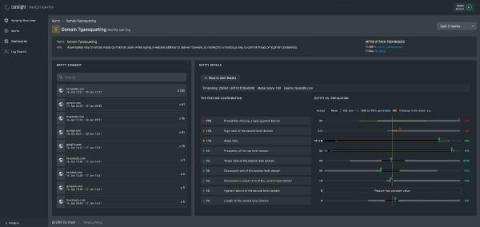
Corelight Investigator furthers its commitment to delivering next-level analytics through the expansion of its machine learning models. Security teams are now enabled with additional supervised and deep learning models, including: We continue to provide complete transparency behind our evidence -- showing the logic behind our machine learning models and detections, allowing analysts to quickly and easily validate the alerts.

Nuvias UK, an Infinigate Group Company, Partners with Pentera to Enhance its Cybersecurity Portfolio

Network Security Threats and Defenses: A 2023 Guide
Network security is a broad field, encompassing various processes, policies, rules, standards, frameworks, software, and hardware solutions. Its primary goal is to protect a network and its data from various threats, including intrusions and breaches.

Using Python libraries for secure network communication
Python is a popular and powerful programming language that is often used for building web applications, data analysis, and automation. One of the key challenges in such projects is ensuring the security of network communication, which can be vulnerable to various threats such as man-in-the-middle attacks and eavesdropping. Fortunately, Python offers a range of libraries for encrypting and securing network communication.

New Study Examines Application Connectivity Security in the Cloud

Forward Networks Raises $50M in Series D Funding, Achieves 139% Year-over-Year Growth

Royal Ransomware - Analysis of One of the Most Active Ransomware Groups in Late 2022 and Early 2023
In our new threat briefing report, Forescout’s Vedere Labs analyzes the Royal ransomware threat actor group and encryptor payload, presents threat hunt opportunities for network defenders and shares details of the group’s tactics, techniques, and procedures (TTPs).

CIS Control 13: Network Monitoring and Defense
Cybersecurity today seems like an arms race: Enterprises implement more and more security tools to try defend their networks against increasingly frequent and sophisticated attacks. But simply increasing the number of tools in your arsenal is not an effective cybersecurity strategy.