Security | Threat Detection | Cyberattacks | DevSecOps | Compliance

New Phishing Kit Bypasses MFA to Steal Microsoft 365 Credentials

Attackers are using a newly discovered phishing-as-a-service (PhaaS) platform dubbed “Salty 2FA” to target a wide range of industries across North America and Europe, according to researchers at ANYRUN. The phishing attacks are delivered via email and primarily attempt to steal Microsoft 365 credentials. Like many popular commodity phishing kits, Salty 2FA is designed to bypass a variety of multifactor authentication measures.

Threat Actors Are Increasingly Abusing Generative AI Tools for Phishing

Cybercriminals are increasingly abusing AI-assisted website generators to quickly craft convincing phishing sites, according to researchers at Palo Alto Networks’ Unit 42. In many cases, even when these services have safeguards in place to prevent abuse, criminals are able to bypass these measures in order to create phishing pages. Unit 42 tested a popular website generator to see how easy it was to spin up a spoofed website.

New Homoglyph Phishing Campaign Impersonates Booking.com

Attackers are using a Japanese Unicode character to replace forward slashes in phishing URLs, BleepingComputer reports. The attacks impersonate Booking.com with phony emails that inform users of a new login to their account. “The attack, first spotted by security researcher JAMESWT, abuses the Japanese hiragana character “ん” (Unicode U+3093), which closely resembles the Latin letter sequence '/n' or '/~', at a quick glance in some fonts,” BleepingComputer explains.

Phishing Attacks Target Brokerage Accounts to Manipulate Stock Prices

Professional phishing groups are targeting customers of brokerage firms in order to manipulate stock prices, KrebsOnSecurity reports. The attackers use a technique called “ramp and dump” to profit from the scheme. “With ramp and dump, the scammers do not need to rely on ginning up interest in the targeted stock on social media,” Krebs explains.

That 'Urgent Payroll Update' Email is a Trap: A Look at the Latest HR Phishing Tactics

Phishing attacks impersonating HR are on the rise. Between January 1 – March 31, 2025, our Threat Lab team observed an 120% surge in these attacks reported via our PhishER product versus the previous three months. These attacks have remained at elevated levels since peaking in February. (FYI in our previous post, we explored the psychology that makes these attacks so effective.

The ABCs of "ishing": From Phishing to Quishing

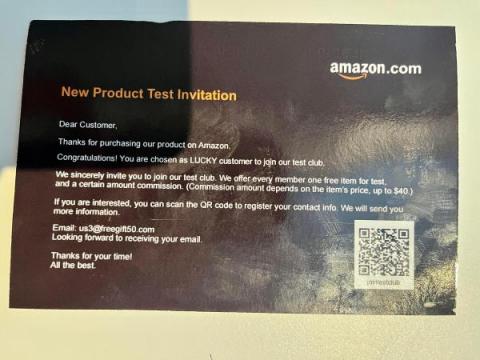
It’s no secret that in cybersecurity, many attacks begin with some form of “‑ishing.” But what exactly are these tactics and who’s behind them? From classic phishing emails to more advanced impersonation schemes using AI and social platforms, attackers continue to evolve their methods to exploit human behavior. Understanding the full spectrum of “‑ishing” techniques is critical for organizations looking to protect their people, data, and reputation.

What is Phishing?

What exactly is phishing—and how can you avoid falling for it? In this video, we break down phishing attacks in plain terms, from classic email scams to newer tactics like smishing, vishing, and even quishing (yes, phishing via QR code!). You’ll learn how to spot the warning signs, understand the real-world consequences of falling for a phishing attempt, and discover simple yet powerful ways to protect yourself and your organization.