Security | Threat Detection | Cyberattacks | DevSecOps | Compliance

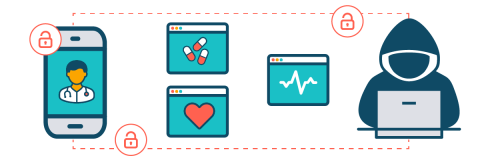
Alarming attacks on Internet of Medical Things (IoMT)

The impact of ransomware attacks on healthcare is as alarming as it is under-addressed. The United States healthcare system alone faces an annual burden of nearly $21 billion due to these attacks. It pays well over $100 million in ransoms, and is beginning to acknowledge the tragic realities of impacted patient care, including higher patient mortality rates. For every headline related to cyberattacks, there are likely hundreds more that go unreported.

Covered Entities vs Non-Covered Entities Under HIPAA

The Health Insurance Portability and Accountability Act (HIPAA) was enacted in 1996 and sets forth a comprehensive set of standards for protecting sensitive patient health information. The Privacy Rule applies to all entities that fall within the definition of a “covered entity“, which generally includes healthcare providers, health plans, and clearinghouses.

Top Collaboration Challenges In Clinical Trial Outsourcing

For biotech organizations, collaboration is the lifeblood of clinical research. A typical clinical trial depends upon constant communication, data sharing, and myriad other interactions among sponsors, sites, CROs, and participants. A breakdown in collaboration can cause delays that threaten the entire operation.

Data Privacy in Healthcare: An Introduction to Protecting Patient Data

Healthcare organizations routinely handle large amounts of sensitive data, making data privacy in healthcare a top priority. Protecting patient data is not just about compliance—it’s crucial for maintaining patient confidentiality and safety. Unauthorized access can be severely detrimental, leading to breaches that compromise medical records and erode trust. Over the years, the digital revolution in healthcare has greatly elevated patient care standards.

How Your Healthcare Organization Can Achieve Cloud Cybersecurity and Compliance

Healthcare leaders are embracing cloud technologies to connect information across the continuum of care, engage more patients, and unlock the potential of health data. While the cloud streamlines healthcare operations, it also presents challenges for organizations that must meet the stringent data security requirements of HIPAA and other security standards.

Protecting Healthcare Payments from Cyber Attacks: Tools and Strategies

In April 2022, a medical billing company based in New York became the victim of a serious ransomware attack. Bad actors stole personal and financial data of patients from 26 healthcare institutions who were the company’s clients. The billing company had to notify almost 1 million individuals that their data had been stolen. Over the last few years, organizations and fintechs that process payments for healthcare providers have become a hot target for cyber attacks.

FBI Notice Underscores Cyberthreats Posed by Medical Devices and IoMT - Risk Management Can Help

On September 12, the FBI released a private industry notification entitled “Unpatched and Outdated Medical Devices Provide Cyber Attack Opportunities.” The notification underscores how a growing number of vulnerabilities in medical devices and Internet of Medical Things (IoMT) assets can be exploited by threat actors to “impact healthcare facilities’ operational functions, patient safety, data confidentiality and data integrity.”

Healthcare Industry Leads the Way in Fixing Software Flaws

The healthcare industry is transforming patient care through software, from 24/7 digital patient portals, to AI-fueled medical research, and everything in between. As innovation reaches new heights, how does healthcare stack up against other sectors in terms of software security flaws and the ability to remediate them?