Security | Threat Detection | Cyberattacks | DevSecOps | Compliance

Metal Crowns: A Reliable Option for Restoring Your Smile

When it comes to fixing damaged or decayed teeth, dental crowns have long been a trusted solution. Among the many types of crowns available, metal crowns stand out for their strength and durability. While they may not win any beauty contests, these tried-and-true restorations have helped countless people chew, smile, and speak with confidence again. In this blog, we'll break down what metal crowns are, how they work, their benefits, and what you should expect if your dentist recommends one.

How Real-Time Health Insights Empower Better Chronic Care

Managing chronic conditions can feel overwhelming, with patients juggling medications, tracking symptoms, and hoping they're on the right path. Fortunately, healthcare is evolving with technology that makes managing long-term health simpler and more proactive. The Center for Medicare & Medicaid Innovation reports that Chronic Care Management (CCM) programs cut costs by $74 per patient monthly, highlighting not just savings but improved care.

How to Get Your ABHA Web Application Security Certificate

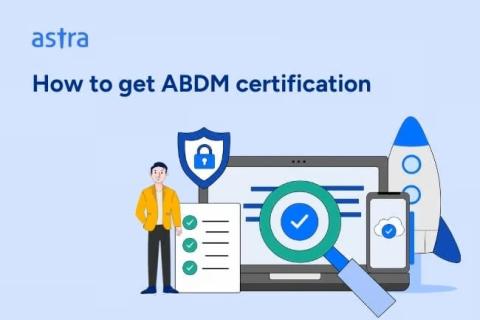
Most healthtech teams focus on building fast, getting the ABHA APIs working, passing the sandbox, and moving to production. However, the reality is that over functionality, if your app can’t prove it’s secure, you don’t go live. The ABHA Web Application Security Certificate exists for one primary reason: to prevent vulnerable systems from accessing India’s health data network.

Digital Lifelines: The Overlooked Security Risks of Senior Medical Apps

For seniors living independently, mobile medical alert systems have become a digital safety net-just a tap away from emergency help. These apps offer peace of mind to older adults and their families by making it easier to request assistance anytime, anywhere. But behind their convenience lies a silent vulnerability: if the app isn't secure, it may expose users to far more than just medical emergencies.

HIPAA violations in 2025: Staff mistakes and vendor blind spots

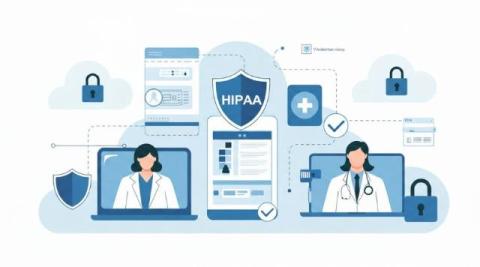
HIPAA violations don’t always come from malicious attacks or headline-making data breaches. More often, they stem from everyday mistakes, like misdirected emails and vendors that aren’t as secure as they seem. Even small slip-ups can expose protected health information (PHI) and invite major consequences. ‍ In today’s complex compliance landscape, those mistakes are alarmingly common.

HIPAA 2.0, Minimum Viable Hospitals, and Strategies for Cyber Resilience within Healthcare

Welcome to the Data Security Decoded podcast, brought to you by Rubrik Zero Labs. In each episode, we discuss cybersecurity with thought leaders and industry experts, getting their take on trends, themes, and how they see data security evolving. This is a must-listen for security and IT leaders looking to better understand trends shaping data security and how they can achieve cyber resilience.

What's the Cheapest Way to Comply with HIPAA Online Tracking Technology Rules?

The U.S. Department of Health and Human Services (HHS) clarified in 2022 and again in 2023 that tracking technologies like Meta Pixel and GA4 can expose Protected Health Information (PHI). This applies even if PHI isn’t explicitly shared—contextual data such as appointment searches or logged-in status on a patient portal can qualify.

How to get HITRUST certified

How to get HITRUST certified has become a strategic move for organizations handling sensitive health and financial data. It demonstrates a serious commitment to information security, privacy, and regulatory compliance. However, the path to certification is often viewed as daunting – requiring time, budget, internal effort, and cross-functional coordination. Many organizations struggle with cost concerns, internal resource limitations, and uncertainty about the actual return on investment.

What Are the Biggest HIPAA Compliance Risks in Retargeting and Digital Marketing for Healthcare Organizations?

Digital marketing relies on user behavior data — but for healthcare organizations, that data often includes protected health information (PHI). If ad platforms or third-party scripts collect PHI without consent or encryption, your organization could face HIPAA violations.