
Metal Crowns: A Reliable Option for Restoring Your Smile
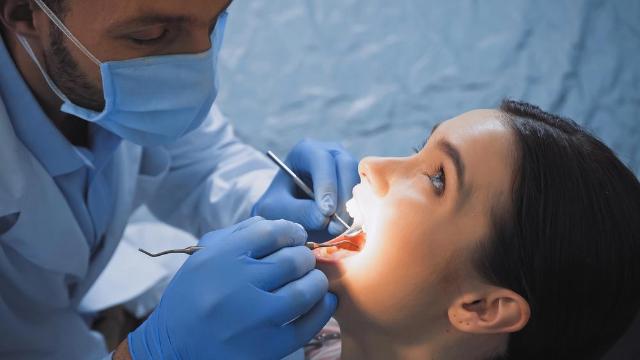
Image Source: depositphotos.com
When it comes to fixing damaged or decayed teeth, dental crowns have long been a trusted solution. Among the many types of crowns available, metal crowns stand out for their strength and durability. While they may not win any beauty contests, these tried-and-true restorations have helped countless people chew, smile, and speak with confidence again. In this blog, we’ll break down what metal crowns are, how they work, their benefits, and what you should expect if your dentist recommends one.
What Exactly is a Metal Crown?
A metal crown is a custom-made cap designed to fit over a tooth that’s been weakened, broken, or decayed. Unlike crowns made from porcelain or ceramic, metal crowns are composed entirely of metal alloys. These can include combinations of gold, platinum, palladium, cobalt-chromium, and even stainless steel.
Depending on the type of metal used, crowns can be grouped into high-noble (mostly gold and platinum), noble (a mix with less gold and more base metals), or base metal alloys (mostly nickel and chromium). The choice of alloy affects the crown’s cost, durability, and biocompatibility.
Most commonly, metal crowns are placed on back teeth—like molars and premolars—because of the significant pressure these teeth endure during chewing. Their metallic appearance isn’t ideal for front teeth, but for the hidden workhorses at the back of the mouth, they’re a perfect fit.
Why Choose a Metal Crown?
Unmatched Strength
If you’re looking for a crown that can truly go the distance, metal is tough to beat. These crowns are built to withstand heavy chewing forces without cracking or wearing down. That’s why they’re so popular for restoring back teeth that do most of the grinding and biting.
Less Tooth Drilling
One big plus of metal crowns is that they require less of your natural tooth to be removed. Since the crown itself is thinner than other materials, your dentist doesn’t need to file down as much enamel. This helps keep your tooth stronger in the long run.
Longevity You Can Count On
With proper care—brushing, flossing, and regular dental visits—metal crowns can last for many years. Some people keep their crowns for 15 years or even longer without needing a replacement.
Smooth on Opposing Teeth
Unlike some porcelain-based crowns that can wear down the teeth they bite against, metal crowns are gentle on opposing teeth. This is especially important if you have dental work on both the upper and lower jaws.
Cost-Effective
While high-noble metal crowns (like gold) can be pricey, many base metal alloy crowns are a more budget-friendly option. Stainless steel crowns, often used in children's dentistry, are particularly affordable and effective for protecting baby teeth until they fall out naturally.
The Procedure: What Happens During a Crown Appointment?
Getting a metal crown typically takes two dental visits.
During the first visit to your local Albury dentist, your dentist will numb the area and prepare the tooth. This involves reshaping it slightly so the crown can fit snugly over it. Then, an impression is made of your mouth, either using a mold or a digital scanner. This model is sent to a dental lab where your crown will be created.
In the meantime, a temporary crown is placed to protect the tooth. Once the permanent crown is ready (usually in a couple of weeks), you’ll return to the dentist. They’ll remove the temporary one, check the fit and bite of the new crown, and cement it into place.
The procedure is relatively straightforward and usually causes little to no discomfort.
What to Expect Afterward
It’s normal to feel some sensitivity after your crown is placed—especially to hot or cold temperatures. This should fade within a few days. If it persists or worsens, it’s best to check in with your dentist.
Also, be cautious with sticky foods (like gum or caramel) right after the procedure. While crowns are securely bonded, it’s wise to give them a little time to settle.
Keeping up with good oral hygiene is essential. Brush and floss daily, and visit your dentist every six months to ensure your crown—and the tooth underneath—stay in great shape.
Are There Any Downsides?
Metal crowns aren’t for everyone. Their most obvious drawback is the color. The shiny metallic look is hard to miss, which makes them less desirable for visible front teeth.
Some people may also have allergic reactions to certain metals, especially nickel. If you have a known sensitivity, your dentist can recommend a more biocompatible material or do a patch test if needed.
Other Crown Options to Consider
If the appearance of a metal crown is a dealbreaker, there are other options available:
Porcelain-Fused-to-Metal (PFM) crowns offer a mix of durability and a tooth-colored appearance, but may show a dark line near the gums over time.
All-ceramic or zirconia crowns are highly aesthetic and great for front teeth but may require more enamel removal and cost more.
Resin-based temporary crowns can serve as a short-term fix while you wait for a permanent one, but they’re not suitable for long-term use.
Porcelain onlays, or partial crowns, are a more conservative option that saves more of your natural tooth, but they’re not right for everyone—especially if the tooth is severely damaged.
Metal crowns might not be flashy, but they are dependable, long-lasting, and often more affordable than other options. Whether you need to repair a molar after a root canal or protect a cracked tooth from further damage, a metal crown could be the right choice.
Of course, every smile is unique. What works best for one person might not be ideal for another. If you’re weighing your crown options, it’s always a good idea to talk it through with your dentist. They can help you decide based on your needs, preferences, and budget.
In the end, a healthy tooth is a happy tooth—metal crown or not.