Security | Threat Detection | Cyberattacks | DevSecOps | Compliance




Tanium Unveils the Future of its Autonomous Platform at Annual Converge Conference
ThreatQuotient Publishes 2023 State of Cybersecurity Automation Adoption Research Report
Tech Talk Webinar - Elastic SIEM + Tines SOAR

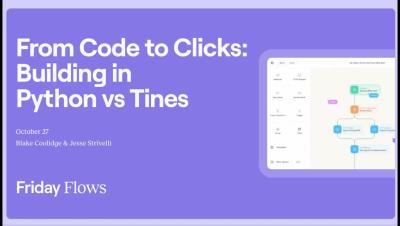
Friday Flows Episode 12: From Code to Clicks

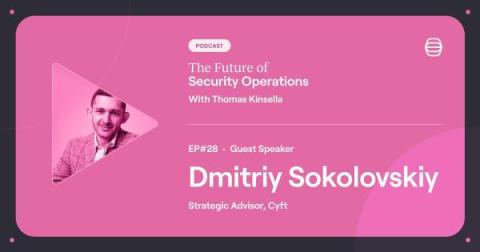
Dmitriy Sokolovskiy: How SecOps teams can measure and communicate their ROI to senior leadership
In this episode of The Future of Security Operations podcast, Thomas interviews industry veteran Dmitriy Sokolovskiy. Dmitriy is a founding member of (ISC)2 Eastern Massachusetts Chapter, and has over 25 years of experience in the security industry, having led teams at Putnam Investments, CyberArk, and, most recently, Avid. He’s a mentor and advisor to several successful startups and sits on the advisory board of companies like Audience 1st.
Harnessing the Magic of API: Turbocharging Business Automation

Tines: scale by design and by default
The story of how Tines scales starts in the product with, well, a story. Any user of Tines will be familiar with the basic concepts of actions and events. They know that when an action receives an event, it runs in order to, e.g., transform that event data or send it off to an API. They also know that when the action has finished running, it will usually emit an event containing its results – an event that will then be sent onwards, to other actions, causing them to run in turn.