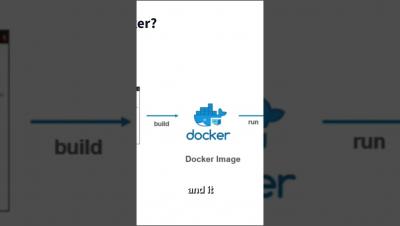
How docker images are made
In this short we look at the three components that make up docker, the docker file, docker image and docker container.


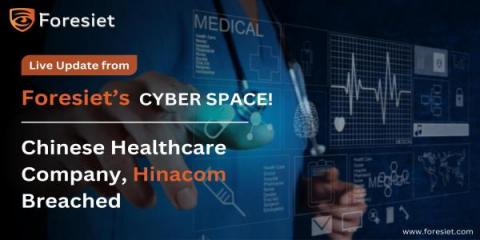
In yet another alarming breach incident, the notorious hacking group SiegedSec has targeted the healthcare sector once again. This time, their target was the prominent Chinese healthcare company Hinacom. The cybercriminals successfully infiltrated the company's defenses, exposing a staggering 11GB of sensitive data. This blog explores the details of the hack, the potential consequences, and the urgent need for improved healthcare security. The Hinacom Breach.
Gabrielle is a security engineer. She deploys tools to scan for threats and vulnerabilities, read logs, and manage the security risks for her company, but is all that data really helping? Sometimes, it seems like she works in a noise factory instead of a SOC. The cacophony of all the log and event data and vulnerability scans are pouring into the SIEM, and it’s Gabrielle’s job to listen to the symphony of data and find the out-of-tune notes.
The Artificial intelligence (AI) based language model, ChatGPT, has gained a lot of attention recently, and rightfully so. It is arguably the most widely popular technical innovation since the introduction of the now ubiquitous smart speakers in our homes that enable us to call out a question and receive an instant answer. But what is it, and why is it relevant to cyber security and data protection?
PharMerica is a huge service provider that works with many of the pharmacies and medical facilities in the United States today. The company offers its services to more than 2,500 facilities and over 3,100 pharmacies, and providing the data services to all those companies requires storing massive amounts of HIPAA-protected information. Unfortunately, this pharmaceutical services giant suffered a recent data breach compromising data for millions of different patients.
Ten represents the completion of a cycle and the beginning of a new one, as there are ten digits in our base-10 number system. We've scanned nearly 140 trillion lines of code, so we can’t help but pick up on the one and the zero in our exciting announcement. It's the tenth publication of the Gartner® Magic Quadrant™ for Application Security Testing (AST), and we are pleased to announce we are a Leader for the tenth consecutive time.