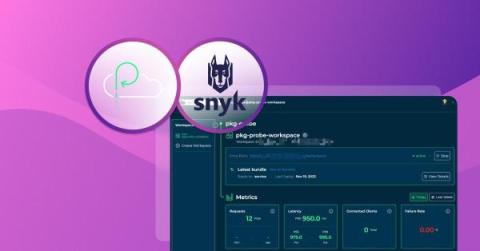
As modern software becomes increasingly cloud-based and containerized, application security tools must adapt to meet new challenges and provide security coverage across the software development lifecycle (SDLC). The use of container platforms like Docker and orchestration tools like Kubernetes inherently solves some security concerns – but containers are not without risk, and can even inject some new risks into your organization’s software.
Like other under-resourced organizations, schools face cyber attacks from malicious actors that can impact their ability to safely perform their basic function: teach children. Schools face email, phishing, and ransomware attacks that slow access and threaten leaks of confidential student data. And these attacks have real effects. In a report issued at the end of 2022, the U.S.
Many industries are experiencing rapid growth thanks to the seemingly overnight advancement of new technologies. Artificial intelligence, for example, has swiftly gone from a vague possibility to being a major component in numerous digital systems and processes. Another technology that has somewhat snuck up on us is blockchain.
Last month, Adobe’s Chief Trust Officer Dana Rao testified to Congress about the importance of content provenance, encouraging Congress to require platforms to maintain proof of origin for content, ensuring that “attributions are not stripped away, and artists can receive credit for their work.” Following Rao’s testimony, Google, Microsoft, Amazon, and other AI leaders met at the White House to voluntarily agree to “ Develop and deploy mechanisms that enable users to under
In today's world, cybercriminals are learning to harness the power of AI. Cybersecurity professionals must be prepared for the current threats of zero days, insider threats, and supply chain, but now add in Artificial Intelligence (AI), specifically Generative AI. AI can revolutionize industries, but cybersecurity leaders and practitioners should be mindful of its capabilities and ensure it is used effectively.