Security | Threat Detection | Cyberattacks | DevSecOps | Compliance

Why Agentic Security Doesn't Mean Letting Go of Control

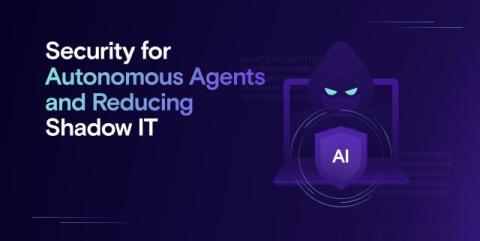
Autonomous agents are changing the way we think about security. Not in the distant future, right now. These systems (intelligent, self-directed, and capable of making decisions) are starting to play an active role in the SOC. They’re not only collecting data; they’re analyzing it, correlating alerts, prioritizing risks, and even initiating response actions. This is Agentic AI, and it makes people nervous. In security, autonomy often gets mistaken for loss of control.

Improving Security with Blue Team Exercises

In many sports, but especially soccer, a team has a set of offensive players and defensive players. The offensive players look for ways to compromise the opposing team’s defenses, seeking to get the ball in the goal. Meanwhile, the defenders work hard to push back against the opponent’s offensive line to clear the ball from the goal line. On a security team, your defenders are the blue team.

CVE-2025-53770: Widespread Exploitation of ToolShell RCE Vulnerability Observed in Microsoft SharePoint On-Premises

On July 19, 2025, Microsoft disclosed active exploitation of a zero-day vulnerability (CVE-2025-53770) affecting on-premises SharePoint Server instances. Originally, no patch was available for this vulnerability, but fixes were released late on the evening of July 20. CVE-2025-53770 is caused by the deserialization of untrusted data, allowing unauthenticated threat actors to execute code remotely over the network.

SecurePortal 2.12 - Proposals to Projects, Made Easy.

We're excited to share significant improvements to SecurePortal! Digital proposals have transformed from static PDFs into interactive Live Documents, enabling you to view and engage with proposals directly within your browser, no downloads needed. Once accepted, proposals instantly generate automated assessments complete with tailored questionnaires, streamlining your workflow and improving efficiency.

From Hype to Trust: Building the Foundations of Secure AI Development

Generative AI and Agentic AI are changing everything from who writes software to how we define secure architecture. At Snyk’s recent Lighthouse event in NYC, leaders from cloud, security, and development teams came together to answer one essential question: how do we move fast with AI without breaking trust? The answer? Start with visibility, bake in security by design, and never lose sight of the humans behind the code.

Cursor IDE Malware Extension Compromise in $500k Crypto Heist

Cursor IDE, as many are aware, is a fork of the open source and popular VS Code IDE project from Microsoft. Similarly to VS Code, Cursor has support for IDE extensions, which prompts many developers to migrate over with their favorite extensions and long-lived workflows, shortcuts, themes, and other configurations. Back in May 2021, Snyk’s Security Labs conducted research that uncovered VS Code extensions vulnerable to insecure code patterns.

Navigating Enterprise AI Implementation: Risks, Rewards, and Where to Start

At Snyk, we believe that AI innovation starts with trust, which must be earned through clear governance, sound security practices, and proven value delivery. As we scale our AI initiatives across the business, we’re continually refining how to implement AI in a way that is not just fast and functional, but also secure and responsible.