CornCon 11 emphasized security basics, real-world risk alignment, and sustainable practices to help teams build resilient programs in today’s complex threat landscape.
From human hands to autonomous agents: tracing the evolution of how work gets done Workflows are the hidden engine behind every organization. Whether it’s resolving a security incident, provisioning a new hire, or onboarding a new client, these sequences of tasks are what turn intent into action. But workflows didn’t always look the way they do today. Today, we’re exploring how workflows evolved from manual, human-led steps to powerful AI-driven systems.
This blog is the latest in a series that delves into the deep research conducted daily by the Trustwave SpiderLabs Threat Operations team on major threat actor groups and malware currently operating globally.
Company overview: Mercato Solutions is one of EMEAs fastest growing and most innovative low-code enterprise application providers. Champion / Spokesperson: Neil Tonkin, CTO Mercato Solutions is one of EMEAs fastest growing and most innovative low-code enterprise application providers. The company helps their global clients transform their business processes with bespoke and branded software platforms, applications, and cloud environments that help work flow more efficiently and effectively.
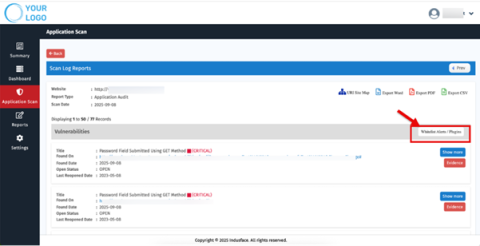
For Managed Security Service Providers (MSSPs), efficiency is everything. Every minute wasted chasing false positives is time that could have been spent on genuine threats, client communication, or platform improvement. Yet, excessive scan noise continues to plague many MSSPs, overloading SOC teams, distorting dashboards, and eroding client confidence.
Cybersecurity has always been a high-stakes game of cat and mouse. Defenders build taller walls, and attackers find longer ladders. But with the rapid rise of artificial intelligence (AI), the very nature of this conflict is changing. AI is no longer just a tool for defenders; it’s being weaponized by cybercriminals to automate and scale attacks with unprecedented speed and sophistication.
With the global cost of cybercrimes estimated to reach 9.2 trillion in 2024, which is Japan’s GDP doubled, it is more critical now than ever to mitigate threats posed by attackers. As a business owner or security analyst, how can you mitigate such threats? While hundreds of penetration testing tools promise complete cybersecurity solutions for enterprises and analysts, finding the perfect match that suits your needs can be like looking for a needle in a haystack.
Web application penetration testing refers to a security assessment process where ethical hackers simulate real-world attacks on a web application to identify vulnerabilities, exploit weaknesses, and provide actionable insights to enhance security posture. But, with a continuously evolving landscape and an ocean of vendors, how do you choose the best web pentest tool for your company and security needs?
CrowdStrike has identified active exploitation of Git vulnerability CVE-2025-48384. In the observed activity, threat actors combined sophisticated social engineering tactics with malicious Git repository cloning operations. This targeted attack chain poses a substantial risk to organizations running unpatched Git installations.
As organizations adapt to hybrid work, cloud adoption, and expanding digital ecosystems, traditional perimeter-based security models are no longer enough. Zero Trust has emerged as a leading framework to help reduce risk, improve visibility, and strengthen resilience, but implementation remains a challenge for many. This whitepaper explores how organizations can adopt Zero Trust in a practical, phased approach, aligned to real business and risk priorities.