Security | Threat Detection | Cyberattacks | DevSecOps | Compliance

Ensure IoT Identity Security at Scale with the Excellence of PKI

The modern digital space is undergoing a seismic transformation characterized by an unprecedented surge in IoT device adoption across industries. As businesses embrace digitization on an ever-expanding scale, deploying IoT devices has transcended mere convenience, becoming an integral part of the operational fabric. With a proliferation that has outpaced human population growth, the world is witnessing a new era laden with both possibilities and challenges.

Safeguard your Business and Device from Microsoft Office Vulnerabilities

The cyber risks of your organization demand a proactive and holistic approach. Enter the realm of comprehensive risk-based vulnerability management—a paramount strategy encompassing identifying, evaluating, mitigating, and monitoring vulnerabilities across your vital assets. Imagine achieving all this through a singular solution.

How to Check Software Security to Prevent Dangers of Downloading Software?

Since software and applications have become an integral part of our daily lives, internet users constantly lookout for new programs and games to enrich their experiences. The convenience of accessing a vast array of software is readily available, with authorized gaming platforms, trusted online services, and distribution platforms like App Store, Microsoft Store, and Google Play leading the way.

Take control of your Security: How to use Build-Info in your VCS to track vulnerable versions

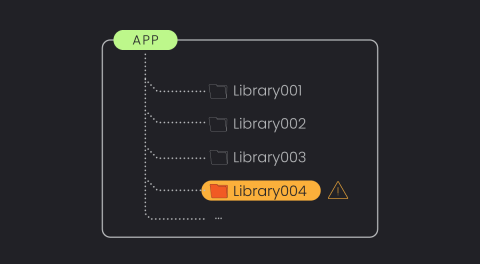
Tracking vulnerabilities and compliance requirements is essential for maintaining application security in any software project. However, this process can be time-consuming and complicated, especially as new issues are identified. Fortunately, the JFrog build-info provides a comprehensive solution by recording key information about your project’s build. With build-info, you can easily track vulnerable versions of your project and ensure that your software stays secure.

Rubrik Cyber Recovery Named Gold Winner at VMware Explore 2023

Las Vegas was buzzing last week with VMware Explore where Rubrik Cyber Recovery snagged the top award in the Business Continuity and Data Protection category. Our excitement continued when Rubrik Data Threat Analytics earned an honorable mention in the Security, Networking, and Edge category!

How to implement SSL/TLS pinning in Node.js

With threat actors performing man-in-the-middle (MITM) attacks, having an SSL/TLS certificate is no longer a valid reason to trust an incoming connection. Consequently, developers are increasingly adopting SSL/TLS pinning, also known as certificate or public key pinning, as an additional measure to prove the authenticity and integrity of a connection.

Extending RBI for Netskope Intelligent SSE

Remote browser isolation (RBI) has its merits for safe access to risky websites and uncategorized content, plus newly registered, observed, and parked domains. Each user gets a remote container where website code and scripts execute so no malware can infect endpoint devices, while also preventing cross-site scripting, web-based attacks, and phishing prevention.

Over 7 Million Alumni Hit in the University of Minnesota Data Breach

The University of Minnesota is a large research school based in Saint Paul and Minneapolis. The school works with more than 50,000 students annually and protects data from them over time. The major Minneapolis-based university was recently the victim of a data breach, and millions of past and present students could be impacted by it. Get all the details about this horrendous attack below.

New Cloud TAP Traffic Capture for Netskope Intelligent SSE

For remote work and hybrid working environments where we are now more dispersed the central collection point for traffic captures is within the cloud. Networking, infrastructure and operations, and security teams require traffic visibility for troubleshooting, performance monitoring, threat detection, discovery of assets, and to address compliance use cases.

Eight Considerations for Thwarting Malicious Packages

We’re currently seeing a concerted effort from malicious actors to attack the supply chain through intentionally malicious packages. Our recent research shows a 315 percent rise in the publication of malicious packages to open source registries such as npm and RubyGems between 2021 and the end of Q3, 2022; about 85 percent of those packages stole credentials. This trend requires an urgent shift from detection to prevention.