Security | Threat Detection | Cyberattacks | DevSecOps | Compliance

Tanium Provision, "Bare Metal in 2026": Tanium Tech Talks #171

Tanium Provision takes a device from bare metal to domain-joined and software-ready, hands-off, from start to finish. This episode walks through the entire process, end to end. Rob Broughall takes us through the full provisioning journey: setting up the infrastructure, building a Windows 11 bundle from the ground up, and watching a device go from bare metal to domain-joined and running software in under two hours.

Claude Mythos Explained: AI Finding Zero-Day Vulnerabilities and Chaining Exploits

Claude Mythos is an AI model capable of finding and chaining zero-day vulnerabilities at scale. That changes how attacks happen, especially in environments where you can’t patch fast enough. The Forescout Vistaro platform with VistaroAI helps organizations respond with real-time visibility and dynamic control across all connected devices.

What is NZISM? Guide to New Zealand's Information Security Manual

Accelerating security solutions for small businesses‍ Tagore offers strategic services to small businesses. A partnership that can scale‍ Tagore prioritized finding a managed compliance partner with an established product, dedicated support team, and rapid release rate. Standing out from competitors‍ Tagore's partnership with Vanta enhances its strategic focus and deepens client value, creating differentiation in a competitive market.

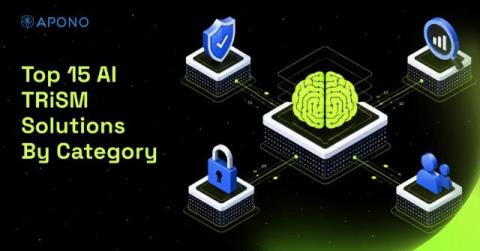
Top 15 AI TRiSM Solutions By Category

AI TRiSM solutions address distinct risks across the AI lifecycle, from governance and evaluation to runtime security, agent authorization, and guardrails. In this comparison, the top 15 solutions fall into five complementary categories: These categories are complementary, not interchangeable. The right stack depends on where an organization needs to govern AI, monitor behavior, block threats, control agent privileges, or constrain AI interactions.

The Rising Threat of Deepfakes: Why Organizations Must Rethink Trust

For decades, we believed that if could hear someone’s voice on a phone call or see them on a video call, they were who they said they were. What if that’s no longer true? This article is part of an ongoing series from Sophos frontline security operations specialists, sharing the expertise they use to strengthen our industry-leading Managed Detection and Response (MDR) service and defend customers against evolving AI Era threats.

The Consent Compliance Paradox: Why Having a CMP Isn't the Same as Having Consent

Here’s a question I’ve started asking privacy and security leaders in almost every conversation: if I asked you right now to list every script collecting data on your website, could you do it? If I then asked how many of those scripts are overwriting consent preferences, would you know? Most people pause. Some laugh. A few say yes with real confidence. But when we run the audit, the answer is almost always more complicated than they expected.

Feroot Expands DXComply with Code-Free Consent Auditing for Native Mobile Apps

New DXComply release enables privacy, GRC and security teams to verify whether native apps honor user consent choices without SDK integration or code changes. Toronto, Canada, September 23, 2026: Feroot Security Inc. today announced expanded native mobile application consent auditing capabilities in DXComply, enabling enterprises to verify whether iOS and Android apps honor users’ consent choices without requiring SDK integration or changes to application code.

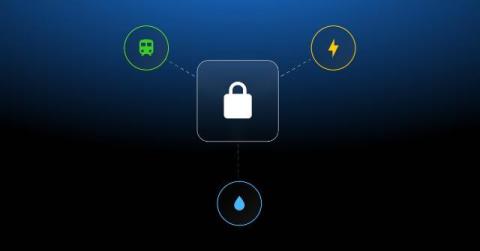
Why Critical Infrastructure Needs Zero-Trust Security

Malicious cyber activity targeted remote monitoring and control technology at over 30 community water systems across Minnesota in late July 2026, and water cyber attacks were subsequently reported across at least 12 states. However, the underlying OT security weaknesses are not exclusive to the water sector.

AI Has Entered the SOC. Governance Has to Catch Up.

ISO/IEC 42001 is the international standard for Artificial Intelligence Management Systems. For CISOs, the bigger question is whether governance reaches all the way into the security workflows where AI is beginning to act. Beth Dannemiller, Senior Director, Product Marketing For the last several years, CISOs have been asked a familiar question by boards: What are we doing with AI? That question is changing.

CT alerts: know when someone gets a certificate for your domains

A couple days ago, I told you how a spammer got a certificate for dev-docs.trackjs.com, and that we only found out because Google emailed us. Google knew because the spammer claimed the hostname in Search Console. An attacker running a phishing page wouldn’t have done that, but they would still need a certificate. Every publicly trusted certificate gets written to a public log, and we track that log in our database. We just weren’t watching it. Now we are, and you can too.