One of the most empowering documents in an organization’s arsenal is its business continuity and disaster recovery (BCDR) plan. Sure, it lays out in detail everything bad that could happen to your business, but it also provides point-by-point strategies to respond to each of those threats. Or does it? A good BCDR plan is a living document that evolves alongside the threats its organization faces. The trouble is that the world is changing fast, and BCDR teams are breathlessly trying to keep up.
In 2021, manufacturing became cybercriminals’ most targeted industry as a surge in global ransomware attacks disrupted manufacturing operations and exacerbated supply chain woes. This put even more pressure on manufacturing organizations that were already feeling the heat. Recognizing that ransomware attacks can stem back to software vulnerabilities, many manufacturers are exploring ways to strengthen their software security programs.
Register Now Let’s face it, you’re still vulnerable to ransomware. Even if it feels like you’ve done everything—you’ve built a robust defense, you have multiple cybersecurity measures in place, and you’ve implemented a company-wide security training. But, is it enough? Every business is vulnerable to ransomware. From the largest bank to the smallest school.
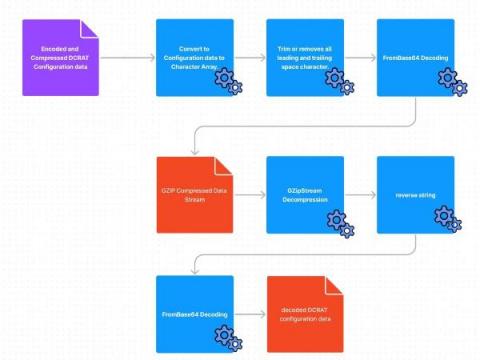
The Splunk Threat Research Team (STRT) analyzed and developed Splunk analytics for this RAT to help defenders identify signs of compromise within their networks. Remote Access Trojans (RATs) are one of the most common tools used by threat actors as a malicious payload to attack targeted hosts and steal information. One example is the Dark Crystal RAT (DCRat) that is capable of remote access, post exploitation and data exfiltration.
SocGholish, also known as FakeUpdate, is a JavaScript framework leveraged in social engineering drive by compromises that has been a thorn in cybersecurity professionals’ and organizations’ sides for at least 5 years now. Upon visiting a compromised website, users are redirected to a page for a browser update and a zip archive file containing a malicious JavaScript file is downloaded and unfortunately often opened and executed by the fooled end user.
According to Statistica, the average response time to a ransomware attack is 20 days. 20 days where your customers can’t order your product, 20 days where your end-users are unable to access important information - 20 days of incurred downtime for your organization resulting in massive profit losses and reputation damage. I think it goes without saying, time is of the essence during a ransomware attack.
In Part 3, CrowdStrike’s Endpoint Protection Content Research Team covered the finer points of Input/Output Control (IOCTL) usage by various wipers. The fourth and final part of the wiper series covers some of the rarely used “helper” techniques implemented by wipers, which achieve secondary goals or facilitate a smaller portion of the wiping process.