Hive Ransomware Technical Analysis and Initial Access Discovery
Hive has been seized by law enforcement, but were likely to still see these initial access methods and tactics used across other threat actor groups.


Hive has been seized by law enforcement, but were likely to still see these initial access methods and tactics used across other threat actor groups.
Cybersecurity is a complex term, it’s become all-encompassing and constantly evolving to include new and emerging technologies, attacks, actors, and a myriad of other points. What this means for organizations large, medium, and small is that each must have a cybersecurity plan in place. An interesting point, however, is despite the mindshare cybersecurity now enjoys, the industry itself is still in its relative infancy.
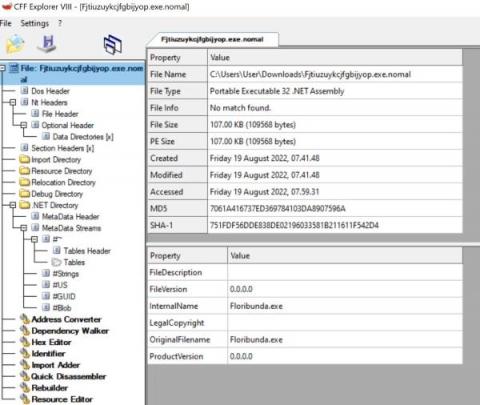
Redline infostealer gathers information and steals high value data from an infected machine. The Redline infostealer is considered one of the most dangerous malware currently being used in the wild and has been used in countless trojanized software, applications, games and cracked software. In addition to data exfiltration, Redline also has the capability to connect to a command and control (C2) server to download, upload files as well as perform remote commands.
If one topic has been on the minds of CISOs and CIOs alike over the last three years of Covid and post-Covid hybrid enterprise work environments, it’s ransomware. A distributed tech workforce — using distributed software services — proved to be no match for highly automated ransomware bots and malware executing encryption attacks. But this year, like the end of War of the Worlds, the attacking bots may suddenly fall silent.
Rubrik is on a mission to secure the world’s data. And our customers are at the very heart of that mission. Research from Rubrik Zero Labs’ State of Data Security report found 98% of global IT and cybersecurity leaders dealt with a cyberattack in the last year, exposing just how critical it is for businesses to have a solid data security strategy in place and a platform they can trust to protect against these ever-growing cyber threats.
Wow! We made it to the last post in our Malicious Packages series. While parting is such sweet sorrow, we hope blogs one, two, and three provide insights into the havoc malicious packages cause throughout your DevOps and DevSecOps pipelines. In the prior posts: Now let’s get to know attackers’ other, more discreet interests when creating a malicious package: hiding malicious code, and finally showing how malicious packages can be detected and prevented.
Post-exploitation tools are used by threat actors to move laterally inside a network and escalate their privileges in order to steal data, unleash malware, create backdoors and more. Red teams and ethical hackers also use these tools; indeed, simulating the efforts of adversaries plays a key role in implementing effective controls to secure systems, applications and files.
Read also: PayPal, Riot Games compromised, FBI links $100M Harmony hack to North Korea, and more.