Security | Threat Detection | Cyberattacks | DevSecOps | Compliance

AsyncRAT Crusade: Detections and Defense

In January 2019 AsyncRAT was released as an open source remote administration tool project on GitHub. AsyncRAT is a popular malware commodity and tools used by attackers and APT groups. Threat actors and adversaries used several interesting script loaders and spear phishing attachments to deliver AsyncRAT to targeted hosts or networks in different campaigns.

Stay Ahead of the Game: Protect Yourself From Trojanized Chat Apps Targeting WhatsApp and Telegram Users

It seems that once again bad actors have found a new way to infect our devices with malware. This time, they are using a devious little trick to spread trojanized versions of popular chat apps Telegram and WhatsApp. Now, I am sure you are all familiar with these apps – they are hugely popular for communication and messaging, with millions of users around the world. And unfortunately, that is exactly what makes them such an attractive target for cybercriminals.

Ransomware Data Theft Extortion Goes up 40% to 70% From '21 to '22

A report from Palo Alto Networks’ Unit 42 found that data theft extortion occurred in 70% of ransomware attacks in 2022, compared to 40% in 2021. The researchers examined the four most common methods of cyber extortion (encryption, data theft, harassment, and DDoS attacks) noting that threat actors often combine these tactics within a single attack campaign.

The InfoStealer Lifecycle: A Look At The Attack Process From End-to-End

Malware is not a new attack vector but, over the past few years, the Cyberint research team was observed a resurgence of this threat. In particular, a specific type of malware known as InfoStealers has become a serious risk. This blog post will drill down on InfoStealers and discuss the lifecycle of an InfoStealer attack, from beginning to end.

CrowdStrike's Artificial Intelligence Tooling Uses Similarity Search to Analyze Script-Based Malware Attack Techniques

According to the AV-TEST Institute, more than 1 billion strains of malware have been created, and more than 500,00 new pieces of malware are detected every day. One of the main reasons for this rapid growth is that malware creators frequently reuse source code. They modify existing malware to meet the specific objectives of an attack campaign or to avoid signature-based detection.

Europe's transport sector terrorised by ransomware, data theft, and denial-of-service attacks

A new report from ENISA, the European Union Agency for Cybersecurity, looking at cyberattacks targeting the European transport network over a period of almost two years, has identified that ransomware has become the prominent threat. ENISA's report, its first ever analysis of the myriad of cybersecurity threats facing the transport sector in the EU, mapped and studied cyber incidents targeting aviation, maritime, railway, and road transport between January 2021 and October 2022.

Emotet Comeback: New Campaign Using Binary Padding to Evade Detection

Emotet is undoubtedly a very resilient botnet. Even though its operation was disrupted by Europol in January 2021, Emotet came back a few months later and continues to spread. In May 2022, shortly after Microsoft released new controls related to malicious macros, Netskope Threat Labs analyzed an Emotet campaign where they were testing a new delivery method, by using LNK files.

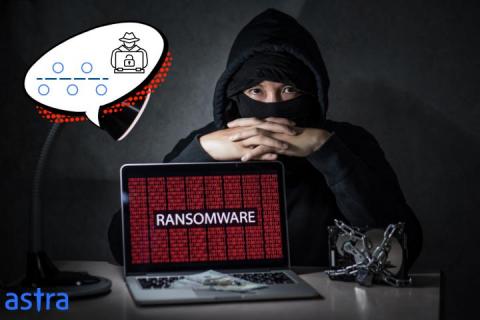
How Ransomware as a Service (RaaS) Can Make Anyone a Hacker

Ransomware as a Service (RaaS) has been a growing trend in recent years, enabling anyone with an internet connection to become a hacker. In the past, launching a ransomware attack required a high level of technical expertise, but RaaS has lowered the barrier to entry, making it easier for anyone to launch a ransomware attack. So, how does RaaS work, and what are the implications for businesses and individuals?