Defend yourself and your vendors against ransomware
Join Greg Pollock, our VP of BreachSight, as he talks about the most prolific ransomware group, Lockbit, and how to keep yourself secure from ransomware attacks.


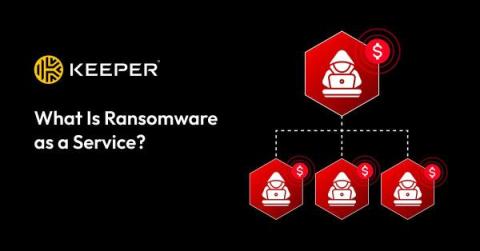
Ransomware as a Service (RaaS) is a business model in which cybercriminals develop and sell ransomware to buyers known as affiliates who use it to execute ransomware attacks. Ransomware is a type of malware that prevents users from accessing their data or devices by encrypting them and locking users out until a ransom is paid. Typically, cybercriminals need to know some coding to develop and execute ransomware attacks.
Ever since the invention of internet browsers for personal computers came about in the 1990s, cybercrime has been on the rise. Almost 30 years after the invention of the Worldwide Web, cybercriminals have a variety of different methodologies and toolkits that they use on a daily basis to leverage vulnerabilities and commit crime. One of the most popular types of attacks that is used by threat actors is a ransomware attack.
A cybercriminal group calling itself BlackSuit has claimed responsibility for a series of ransomware attacks, including breaches at schools in central Georgia. And earlier in the year, a zoo in Tampa Bay was targeted by the same hacking gang.
The ransomware attack on ICBC Financial Services caused disruption of trading of U.S. Treasuries and marked a new level of breach that could have massive repercussions. When we saw the attack on the Colonial Pipeline back in 2021, the impact was felt throughout the Southeast United States. Any attack on key businesses that keeps an economy running will have some form of impact should the attack be successful.
As the manufacturing sector continues its digital transformation, Operational Technology (OT), Industrial Control Systems (ICS), and Supervisory Control and Data Acquisition (SCADA) are becoming increasingly exposed to cyberattacks, particularly those involving ransomware.
2023 was a lucrative year for ransomware actors, with victim organizations paying $449.1 million in the first six months alone. Maintaining this cash stream requires frequent technique shifts, which may be why more attackers are exploiting legitimate software to propagate their malware. Abusing organizations’ existing enterprise tools can help attackers blend in while they’re doing reconnaissance, and also aids them with privilege escalation and persistence.
In the ever-evolving landscape of cybersecurity, the battle against ransomware has taken a concerning turn. According to the latest findings from Secureworks annual State of the Threat Report, the deployment of ransomware is now occurring within just one day of initial access in more than half of all engagements.