Security | Threat Detection | Cyberattacks | DevSecOps | Compliance

SANS Report Reveals Significant Growth in Automation: Maximize Your Investments

The SANS 2021 Automation and Integration Survey is now available for download, focusing on the question: First we walked, now we run – but should we? Let’s face it, we’ve talked about security automation for years. We’ve grappled with what, when and how to automate. We’ve debated the human vs machine topic.

A (soft) introduction to Python dependency management

Python has been deemed as a “simple” language — easy to use and easy to develop scripts to do numerous tasks — from web scraping to automation to building large-scale web applications and even performing data science. However, dependencies are managed quite differently in Python than in other languages, and the myriad options of setting up an environment and package managers only add to the confusion.

Why Small and Medium-Sized Businesses Shouldn't Build Their Own SOC

When smaller firms are hit by a cyberattack, the cost can be devastating. One out of four businesses with 50 or fewer employers report paying at least $10,000 to resolve an attack. And for organizations with fewer than 500 employees, insider incidents alone cost an average of $7.68 million, according to the Ponemon Institute's 2020 Cost of Insider Threats report.

Supervised Active Intelligence - The next level of security automation

Taking a proactive approach to threat hunting in cybersecurity is crucial, especially today when attacks are more stealthy and more complex than ever. What this means is that the olden ways of cybersecurity relying on time-consuming manual workflows are slowly becoming obsolete, and cybersecurity teams must be supported by active learning intelligence in their threat hunting processes.

Who Do You Trust? Challenges with OAuth Application Identity

In our recent blog, Who Do You Trust? OAuth Client Application Trends, we took a look at which OAuth applications were being trusted in a large dataset of anonymized Netskope customers, as well as raised some ideas of how to evaluate the risk involved based on the scopes requested and the number of users involved. One of the looming questions that underlies assessing your application risk is: How does one identify applications? How do you know which application is which? Who is the owner/developer?

Understanding the Benefits of Managed Cyber Services

As part of our upcoming attendance at the International Cyber Expo & International Security Expo, we were lucky enough to sponsor The Cyber Security Webinar Series with Nineteen Group and Grey Hare Media. Both Philip Ingram MBE and Emanuel Ghebreyesus, strategic account director for Tripwire, spoke about several topics including: You can read some of the highlights from their conversation below.

SECUDE Extends Data-centric Security Across PLM and Multi-CAD Integrations

LUCERNE, SEPTEMBER 2021: SECUDE, a leading Digital Rights Management (DRM) solutions provider based on Microsoft Azure Information Protection (AIP) today announced that its flagship product HALOCAD® extends data-centric security across PLM and Multi-CAD integrations.

Paths into coding: Netacea's National Coding Week Q&A

The theme of this year’s National Coding Week (from 13th September) is “digital skills stories”, where people share their career stories to help inspire others to get into coding. Whether you are a student interested in a future career in coding, someone already in the industry looking for a new challenge, or even if you don’t know how to code but want to learn, there is plenty of inspiration to be found.

What is a Due Diligence Questionnaire? 6 DDQ Examples

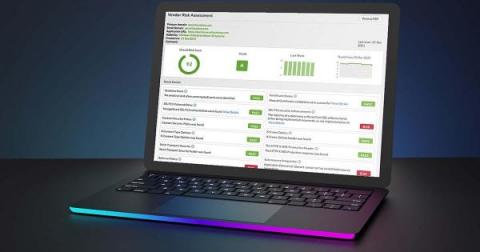
Every day, organizations around the world use due diligence questionnaires (DDQs) to evaluate potential business partnerships and gain a better understanding of the way various third-party vendors conduct day-to-day operations. These questionnaires help organizations investigate potential business ventures or partnerships to confirm they are making a good investment before entering into an agreement with a third-party.